10+ CSS Barcodes
Supply chain aesthetics require absolute precision. Pure CSS barcode examples remove the friction of generating and serving static image assets. This updated collection delivers functional logic for modern UI design. Utilizing these curated snippets ensures crisp, scalable product identifiers, allowing raw code to dictate the visual form without external dependencies.
Technical execution relies on semantic HTML and advanced background manipulation. The code utilizes repeating-linear-gradient and multiple box-shadow values to render precise geometric stripes within a single DOM node. Calculations using CSS Custom Properties define module widths dynamically, ensuring high layout stability. This approach completely avoids heavy JavaScript libraries, leveraging the browser’s native rendering engine for maximum efficiency.
Every free demo is fully responsive and cross-browser compatible. Users can instantly download the raw code or fork a specific layout on CodePen. These assets are strictly optimized for performance and accessibility, providing a fast, transparent integration path across all modern devices.
Examples

An interactive mobile ticket mockup that instantly changes its appearance (light, dark, yellow themes) upon user selection.

CSS-Only 12-digit UPC-A Barcode Generator
A visually accurate barcode that is theoretically scannable (given correct proportions), created without images or fonts by simply styling HTML tags.
See the Pen CSS-Only 12-digit UPC-A Barcode Generator.
A spectacular intro sequence where a barcode dynamically ‘grows’ from the void, forming a recognizable symbol before dissolving, creating the atmosphere of a spy thriller.
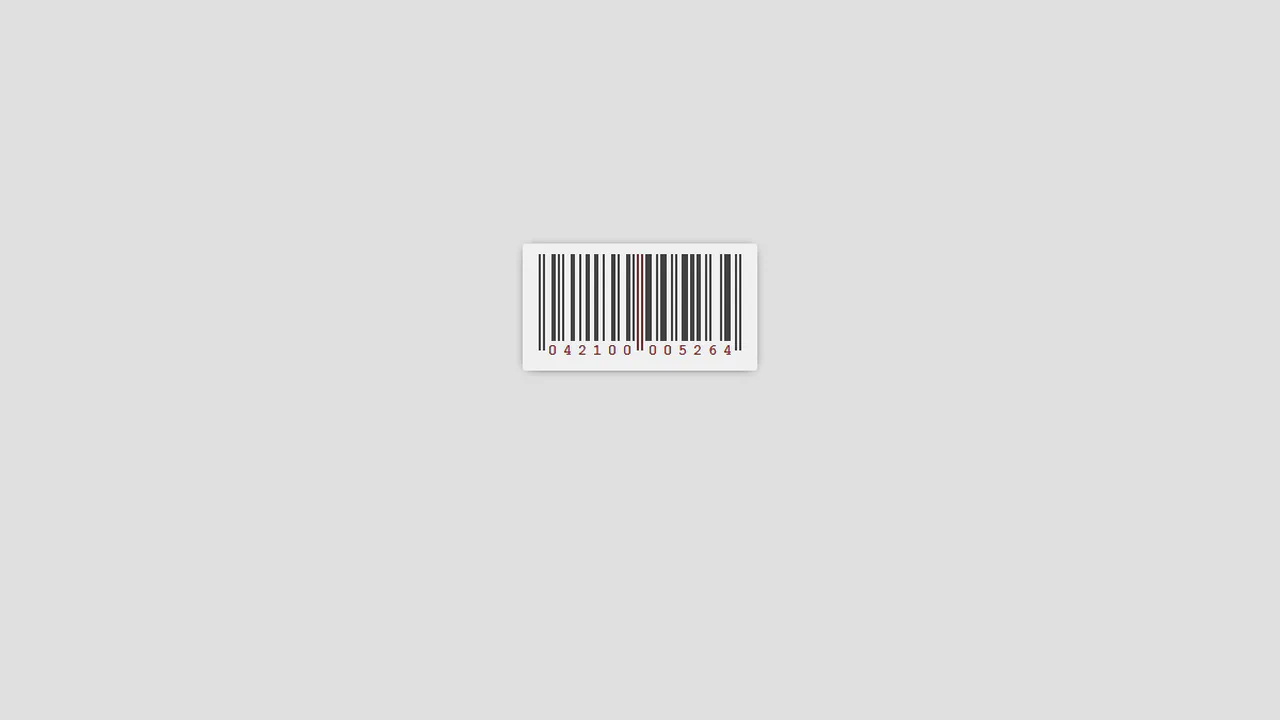
This is a CSS‑only seven‑segment display built with box‑shadows on pseudo‑elements. Each list item represents a digit; ::before draws the segments by stacking colored shadows, while ::after shows the digit value. LESS mixins generate patterns for 0–9 and handle color inversion — the result is a markup‑driven, customizable digital readout.
Text rendered in Libre Barcode 128 font mimics a barcode. Two CSS animations run independently — one fades the text in and out, the other slides a black overlay left to right. Combined, they create a simple scanning effect.
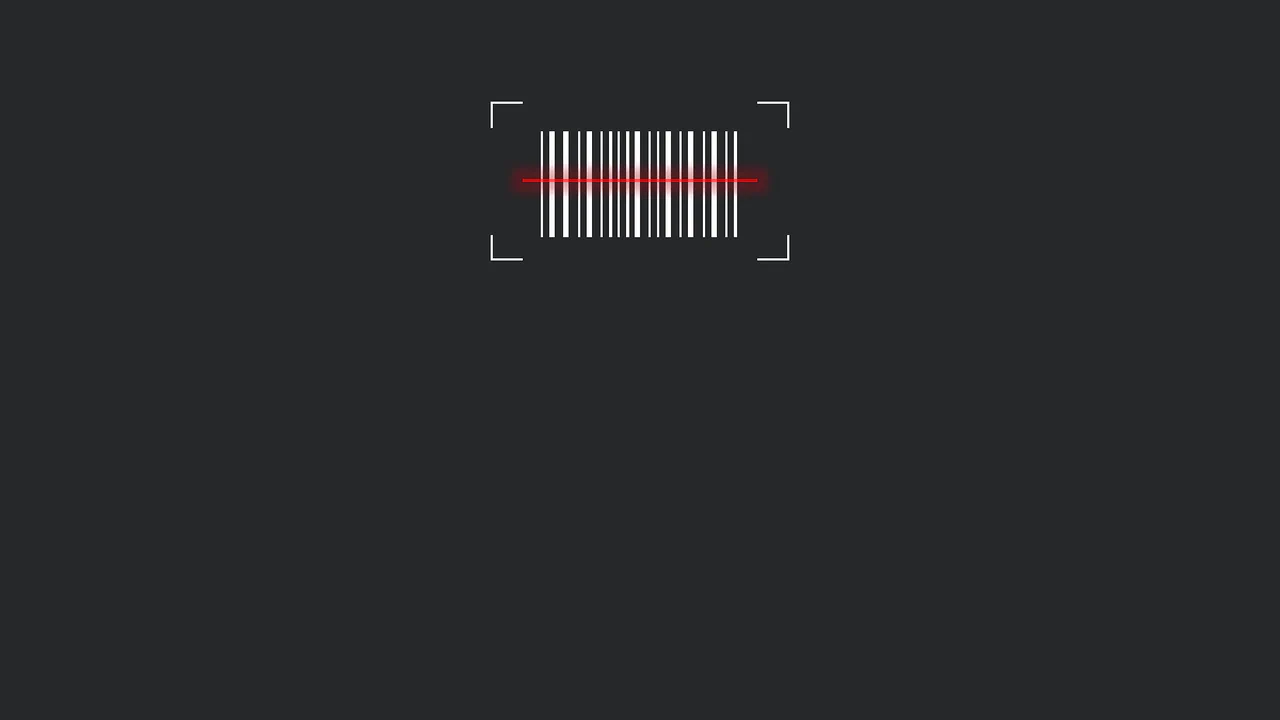
A barcode is built from inline <div> elements with fixed widths — white bars of varying thickness. Four corners are drawn with pseudo‑elements, forming a rectangular frame. On hover, the container scales and a red laser line with a glow moves up and down — animation is paused by default and runs only while hovered.
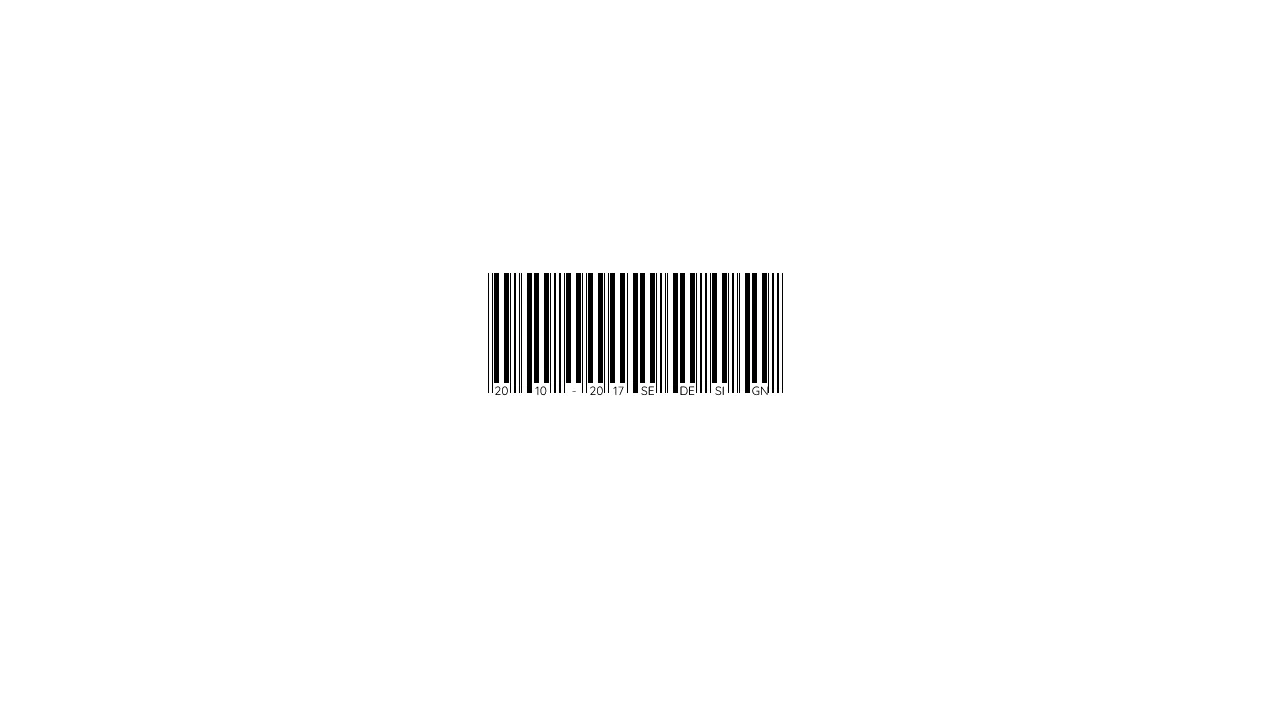
Stripes are built with floated <span> elements — widths and borders create the barcode effect. Numbers sit below, positioned with negative margins. Layout relies on fixed pixel values and floats; any change in container size would break the design.
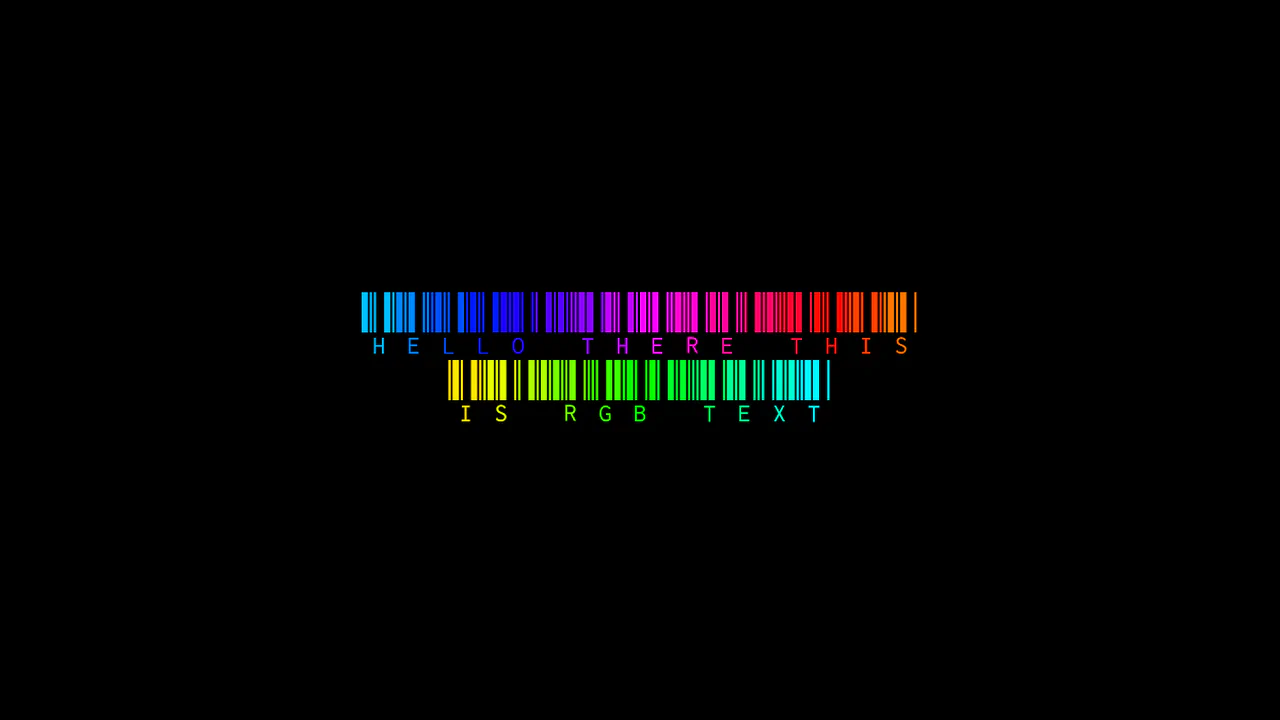
Text is split into individual <span> elements, each receiving a distinct hue. An animation loop updates their HSL color values frame by frame, creating a smooth rainbow shift across the characters. The barcode font adds visual texture.
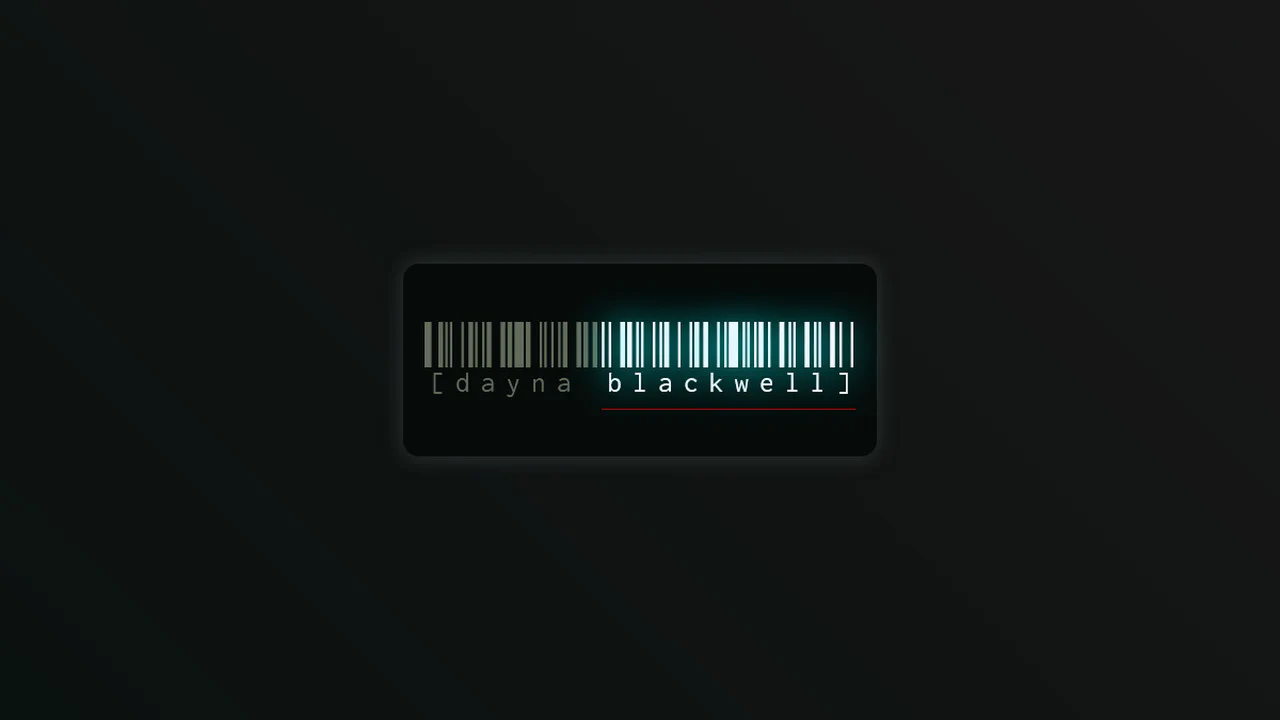
JavaScript sequentially highlights each character, then quickly turns them off — creating a wave‑like motion. The animation repeats every 4 seconds. The barcode‑style font adds visual texture. The container pulses via a CSS glow animation.
A single button with a barcode font. On hover, a pseudo‑element creates a red scanning line, while the text blinks. The effect is simple and self‑contained.