150+ CSS Gradient Examples
Gradients define digital depth. This updated collection of CSS Gradient Examples provides a direct path to visual hierarchy without the payload of heavy image files. Utilizing these curated snippets ensures the UI remains lightweight, letting pure code dictate the aesthetic. Replacing raster assets with native browser instructions minimizes latency and improves initial paint times.
Technically, the logic relies on linear-gradient, radial-gradient, and conic-gradient functions. The code utilizes hardware acceleration by offloading pixel calculations to the GPU. This approach ensures high layout stability and 60fps performance during state transitions. Every HTML structure is kept minimal to prevent DOM bloat and ensure rapid rendering.
Each free demo is cross-browser compatible and responsive. Users can instantly download the raw code or fork a specific project on CodePen. These assets are strictly optimized for modern design requirements, providing a transparent and efficient way to implement color transitions across any device.
Examples
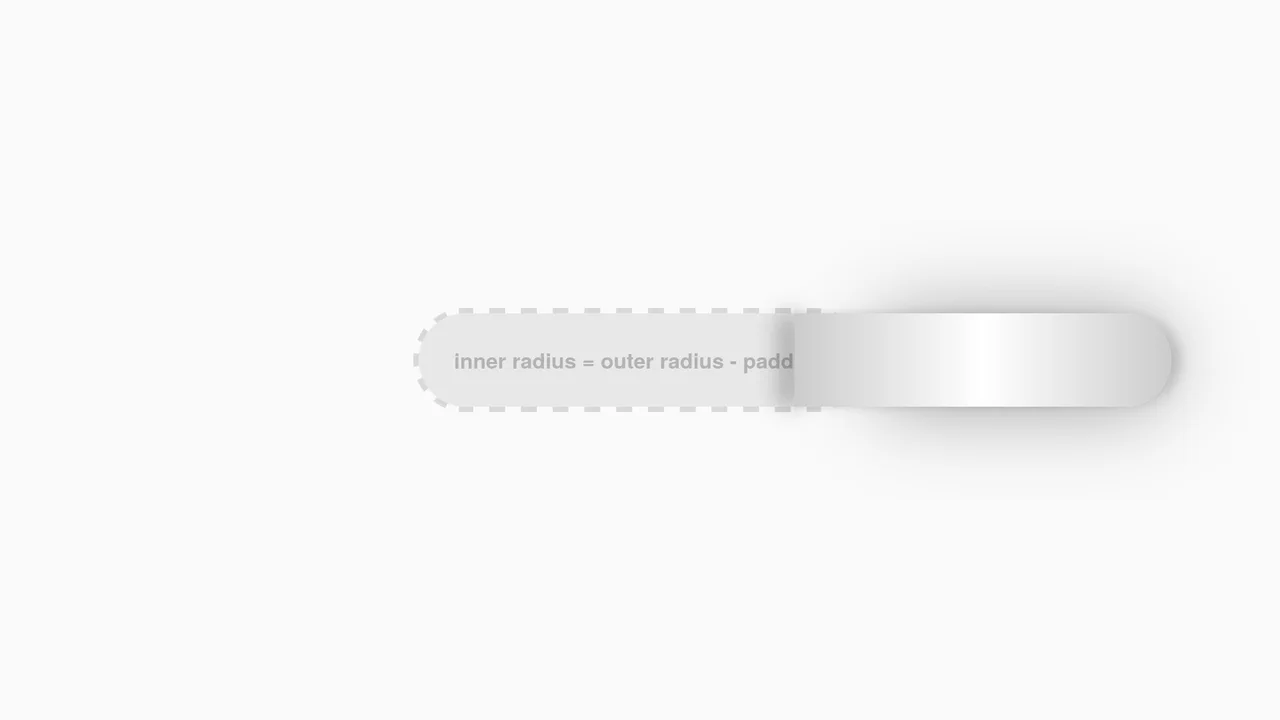
Interactive CSS Tear Strip Animation
Interactive CSS Tear Strip Animation simulates the satisfying physical action of tearing open a cardboard package. It cleverly uses an invisible <input type="range"> linked to the CSS Scroll-Driven Animations API (animation-timeline: --thumb). As the user drags the slider, CSS variables dynamically update clip-path, box-shadow, and transform properties to reveal the content beneath while curling the torn strip. A JavaScript fallback ensures compatibility for browsers without native scroll-timeline support.
 Chrome 115+
 Edge 115+
 Firefox 110+
 Safari 16.4+
See the Pen Interactive CSS Tear Strip Animation.
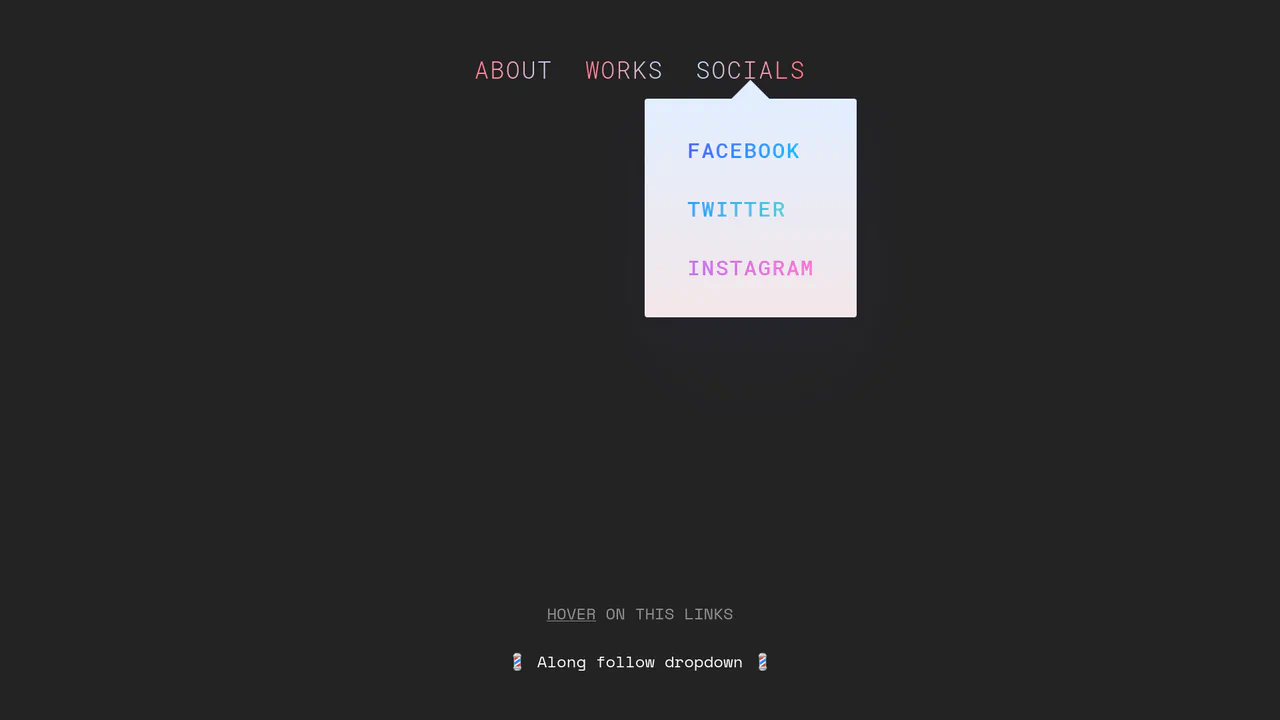
Morphing Stripe-Style Dropdown Navigation
“Morphing Stripe-Style Dropdown Navigation” replicates the famous Stripe header effect. A single background element dynamically resizes and moves behind the active content. JavaScript calculates dimensions using getBoundingClientRect() and updates CSS properties to animate the panel. This approach keeps the DOM clean and ensures smooth transitions between menu sections.
Chrome 48+
Edge 15+
Firefox 48+
Safari 10+
See the Pen Morphing Stripe-Style Dropdown Navigation.
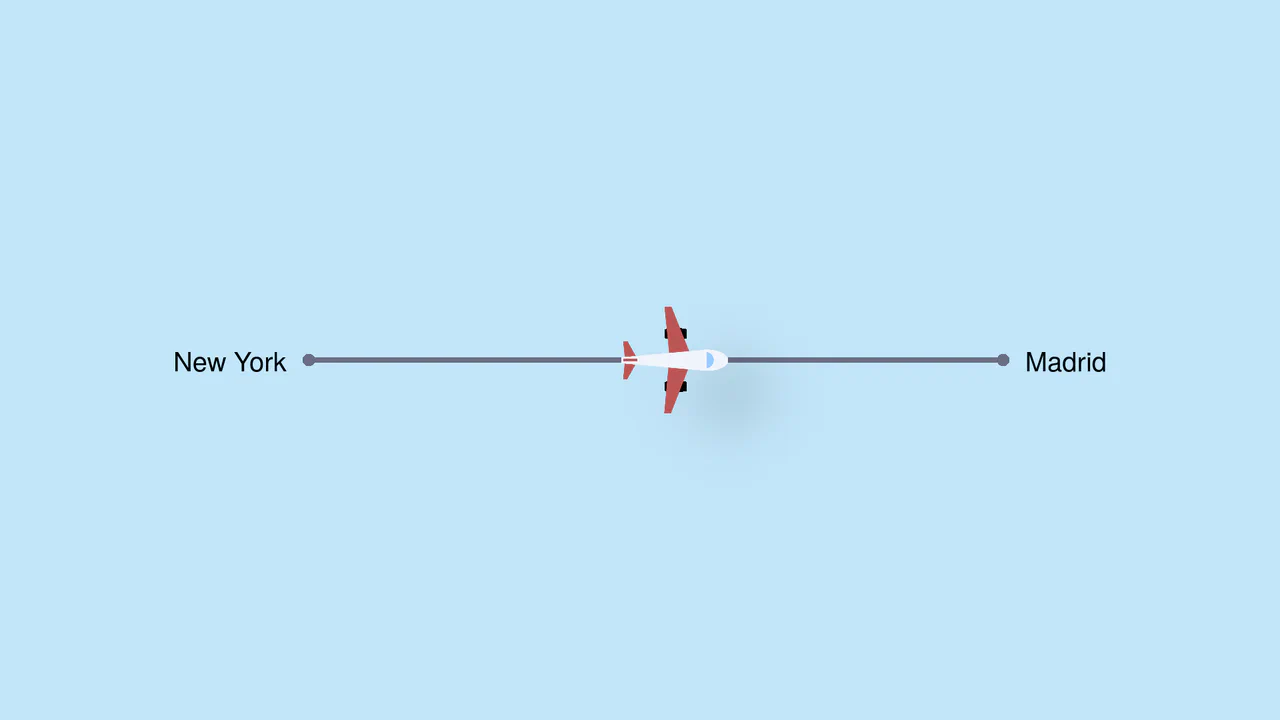
Pure CSS Trigonometric Flight Range Slider
Pure CSS Trigonometric Flight Range Slider uses CSS math functions like sin() and clamp() to dynamically scale a custom airplane thumb and cast realistic altitude shadows based on the input’s current percentage. It features a responsive container query that swaps the plane for a helicopter on narrow screens, and includes dedicated high-contrast mode styles for robust accessibility.
Chrome 111+
Edge 111+
Firefox 110+
Safari 16+
See the Pen Pure CSS Trigonometric Flight Range Slider.

Rollback Ball 3D Toggle Switch
Rollback Ball 3D Toggle Switch is a highly tactile, skeuomorphic switch concept. When clicked, a textured 3D ball realistically rolls across the track, cast-shadows shifting in unison. An ES6 JavaScript class dynamically reads the CSS animation duration, disables the input during the roll, and automatically resets the toggle state once the animation completes. A stellar example of interactive micro-design.
Chrome 55+
Edge 79+
Firefox 54+
Safari 10+
See the Pen Rollback Ball 3D Toggle Switch.

Single Div Vintage TV CSS Illustration
Single Div Vintage TV CSS Illustration is a masterclass in CSS gradient art. Using only one div and its ::before/::after pseudo-elements, it renders a retro television set. The body, screen, antenna, and speaker grill are meticulously drawn using layered linear-gradient, radial-gradient, and repeating-linear-gradient. The mask-image property is cleverly used to carve out the control knobs. A brilliant example of pushing CSS drawing to its limits.
Chrome 53+
Edge 79+
Firefox 53+
Safari 15.4+
See the Pen Single Div Vintage TV CSS Illustration.
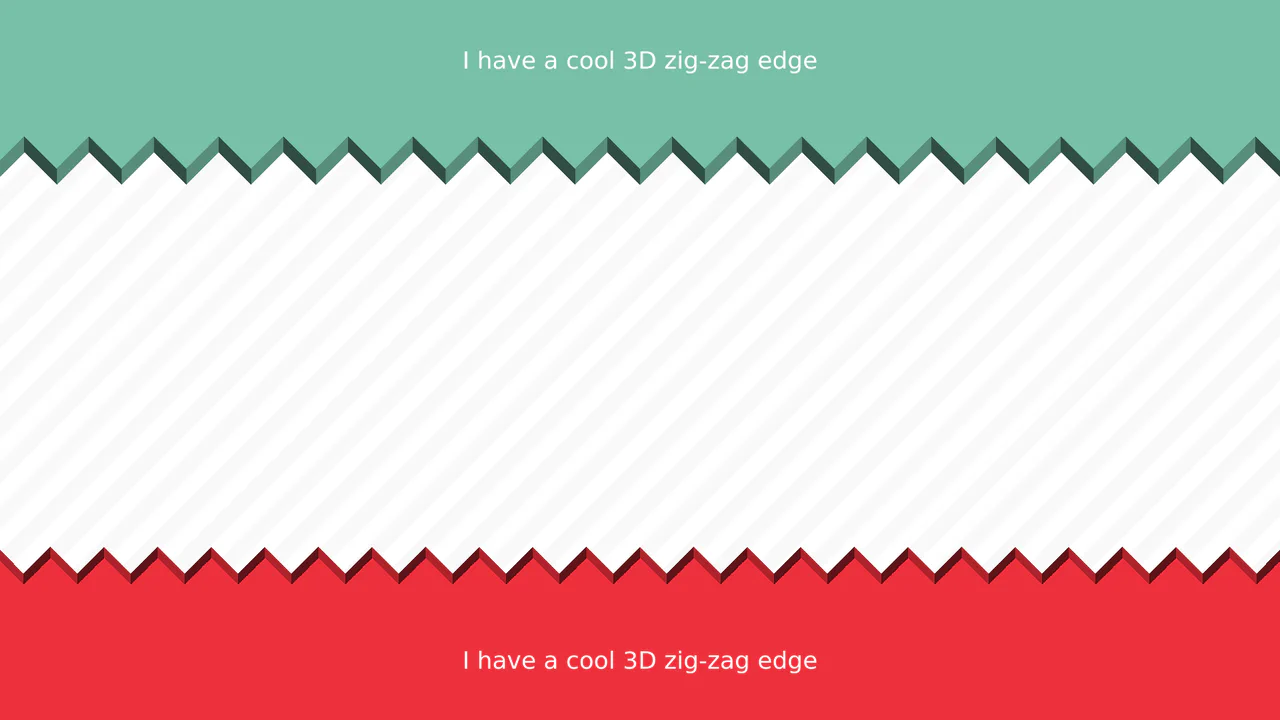
3D Zig-Zag Edge CSS Dividers
3D Zig-Zag Edge CSS Dividers creates a paper-cut illusion using only CSS. It relies on conic-gradient applied to both the background (for shading) and -webkit-mask (for the jagged shape). CSS variables control the size and depth of the teeth. This approach requires zero extra DOM elements or SVG files, making it a highly optimized solution for section transitions.
Chrome 69+
Edge 79+
Firefox 83+
Safari 12.1+
See the Pen 3D Zig-Zag Edge CSS Dividers.
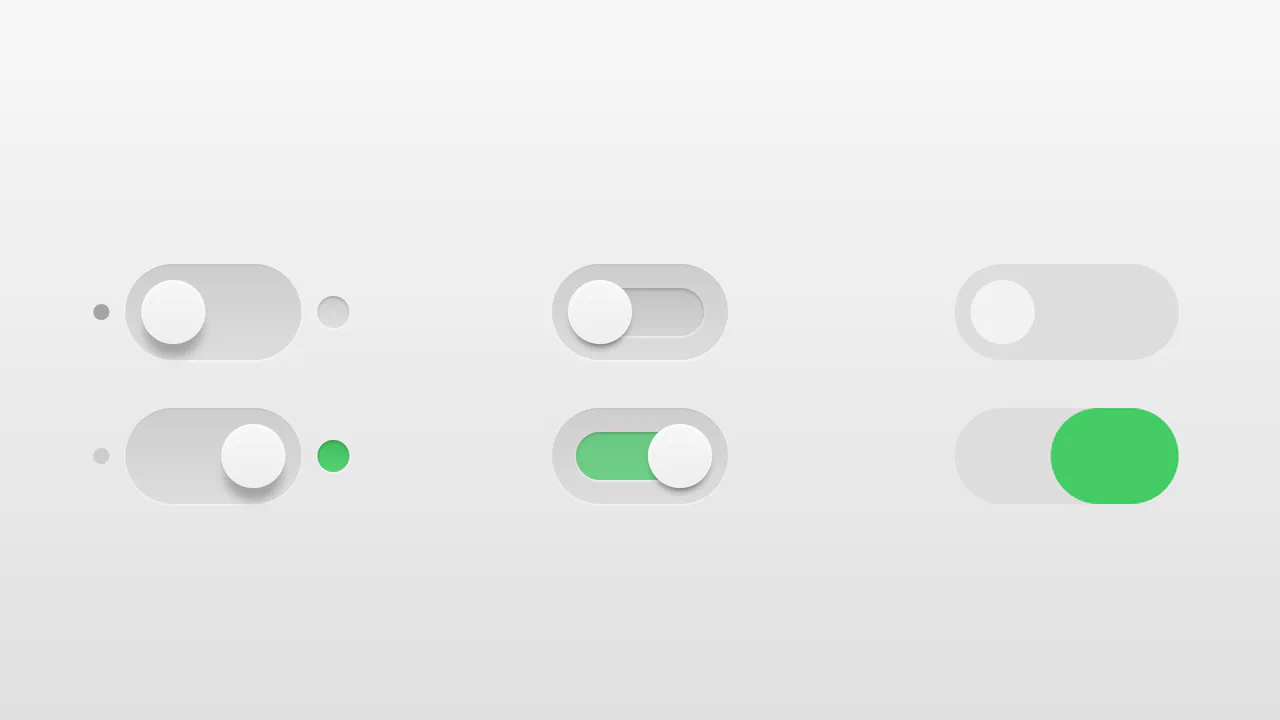
Realistic 3D CSS Toggle Switches
“Realistic 3D CSS Toggle Switches” showcase three distinct switch variations using the classic checkbox hack. Built entirely without JavaScript, they rely on CSS box-shadow and linear-gradient to create tactile, 3D inset depths. State changes are smoothly animated via transition on pseudo-elements. A lightweight, robust solution for adding polished micro-interactions to forms.
Chrome 26+
Edge 12+
Firefox 16+
Safari 6.1+
See the Pen Realistic 3D CSS Toggle Switches.

E-Commerce Product Viewer
This is a CSS-Only E-Commerce Product Viewer. It implements a fully functional product configurator — including color variant swapping, synchronized background theme changes, and an interactive details accordion — without a single line of JavaScript. Its function is to demonstrate complex UI state management and immediate visual feedback using native CSS capabilities.
Chrome 43+
Edge 12+
Firefox 16+
Safari 9+
See the Pen E-Commerce Product Viewer.
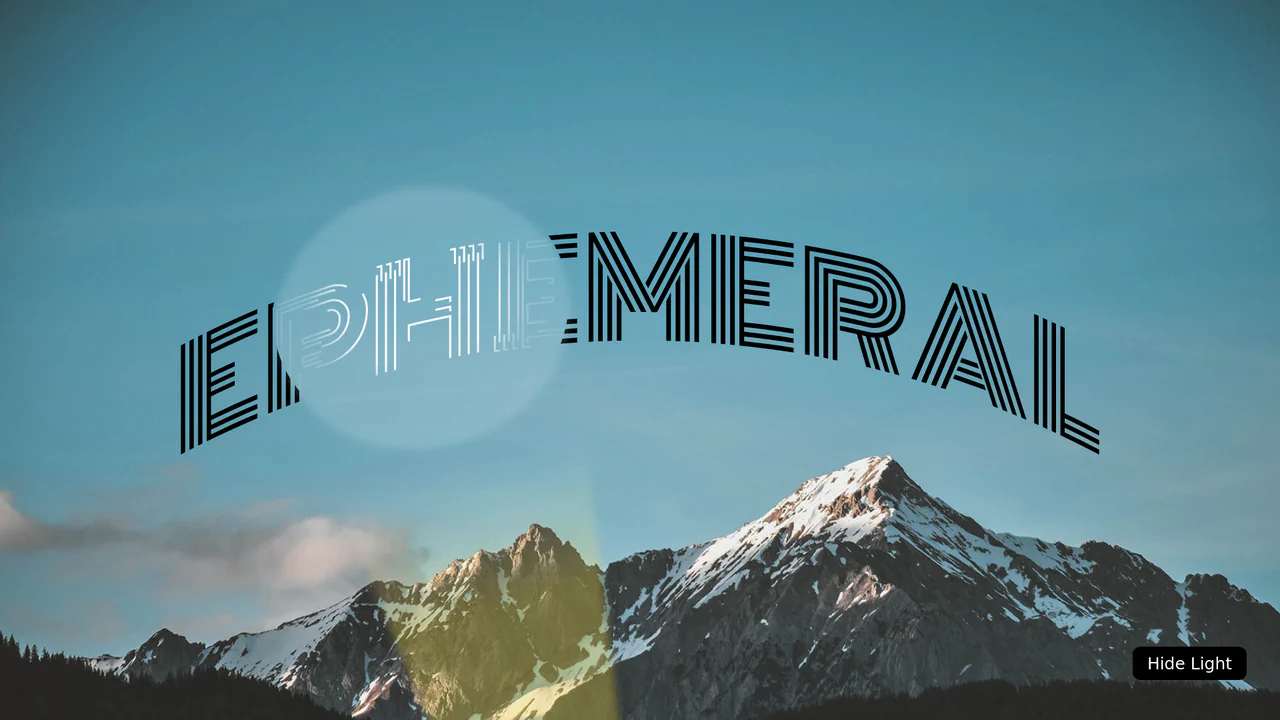
SVG Flashlight Reveal Effect
This is an SVG Flashlight Reveal Effect. It animates a volumetric cone of light across a dark canvas, using SVG masking to dynamically reveal and illuminate hidden text. Its function is to create a cinematic, narrative-driven focal point, turning standard typography into an exploratory visual experience.
Chrome 51+
Edge 79+
Firefox 54+
Safari 10+
See the Pen SVG Flashlight Reveal Effect.
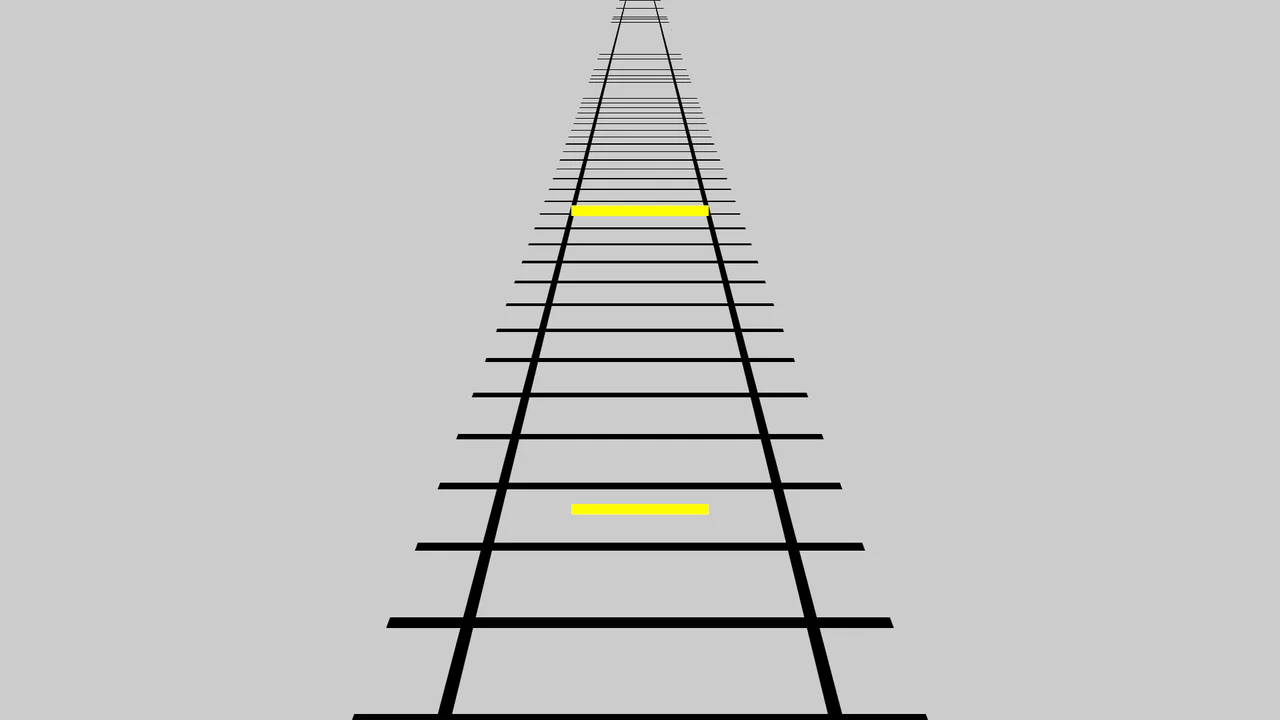
Perspective Railway Optical Illusion
This is a Perspective Railway Optical Illusion. It leverages CSS 3D transforms to create a vanishing point, tricking the human brain into perceiving two identical horizontal lines as different sizes (the Ponzo illusion). Its function is to provide an engaging, interactive visual puzzle for users, demonstrating the power of spatial context in UI design without external assets.
Chrome 104+
Edge 104+
Firefox 110+
Safari 16.4+See the Pen Perspective Railway Optical Illusion.
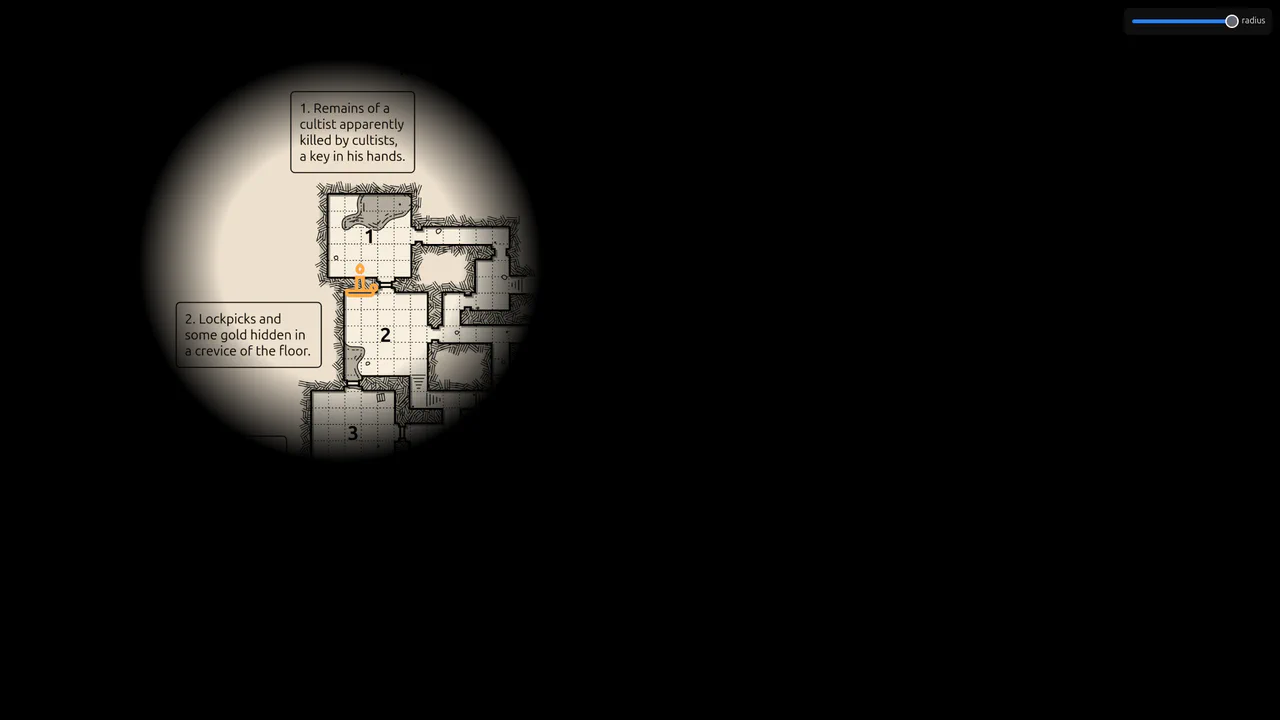
Flickering Torchlight Reveal Overlay
This is a Flickering Torchlight Reveal Overlay. It pairs a custom cursor with a dynamic radial mask to selectively expose underlying content. Its function is to restrict visibility to the immediate cursor vicinity, replacing open layouts with an exploratory, constrained interaction model.
Chrome 80+
Edge 80+
Firefox 75+
Safari 14+
See the Pen Flickering Torchlight Reveal Overlay.

Haunted Grandfather Clock
This is a Haunted CSS Grandfather Clock. It renders a highly detailed, thematic timepiece using only CSS shapes, set against an animated spooky background. Its function is to provide an immersive, real-time clock interface, replacing flat digital readouts with rich, analog spatial design.
Chrome 55+
Edge 79+
Firefox 54+
Safari 10+
See the Pen Haunted Grandfather Clock.
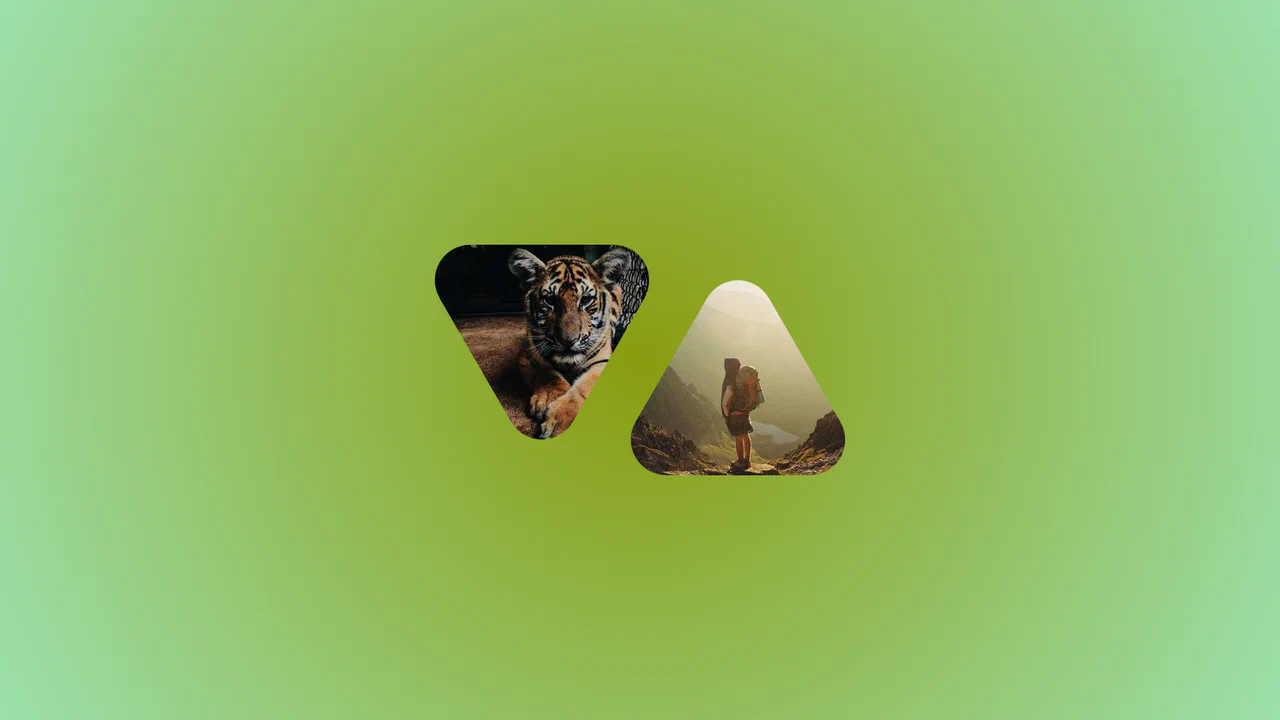
Morphing Rounded Triangle Image Mask
This is a Morphing Rounded Triangle Image Mask. It relies on advanced CSS mathematics and masking to clip raster graphics into smooth, interlocking geometric shapes. Its function is to replace standard grid layouts with organic, tessellating image tiles that physically react to user interaction.
Chrome 111+
Edge 111+
Firefox 117+
Safari 16.4+See the Pen Morphing Rounded Triangle Image Mask.

Dynamic Diagonal Layouts
This is a Dynamic CSS Diagonal Layouts component. It demonstrates how to create striking, angled section dividers without relying on bulky SVG backgrounds or brittle magic numbers. Its function is to provide a mathematically precise, responsive framework for creating non-rectangular web layouts using modern CSS trigonometric functions (tan()) and pseudo-elements.
Chrome 111+
Edge 111+
Firefox 108+
Safari 15.4+
See the Pen Dynamic Diagonal Layouts.

Dynamic Variable Multi-Theme Dashboard
This is a Dynamic Variable Multi-Theme Dashboard. It orchestrates entire UI shifts by remapping root-level CSS custom properties to predefined theme palettes. Its function is to provide a seamless visual state manager for applications requiring multiple aesthetic environments without reloading the DOM.
Chrome 88+
Edge 88+
Firefox 84+
Safari 14.1+
See the Pen Dynamic Variable Multi-Theme Dashboard.

Generative Glitch Cube Art
This is Generative Glitch Cube Art. It is a piece of procedural digital art created entirely with CSS. Its function is to demonstrate how complex, three-dimensional geometry and dynamic lighting effects can be simulated without JavaScript or SVG, relying solely on multi-layered conic-gradient backgrounds and CSS custom property animation.
Chrome 85+
Edge 85+
Safari 16.4+
Firefox 128+
See the Pen Generative Glitch Cube Art.

Mouse-Reactive Iridescent Button
This is a Mouse-Reactive Iridescent Button. It uses a sophisticated layering of CSS conic gradients and JavaScript pointer tracking to create a button with a vibrant, shimmering border that physically follows the user’s cursor. Its function is to provide a high-end, tactile micro-interaction that makes a standard call-to-action feel like a premium, light-sensitive object.
Chrome 122+
Edge 122+
Firefox 128+
Safari 16.4+
See the Pen Mouse-Reactive Iridescent Button.

Animated SVG Penrose Triangle Loader
This is an Animated SVG Penrose Triangle Loader. It combines the impossible geometry of the Penrose triangle with a continuous circular spinner to create a hypnotic, high-fidelity loading animation. Its function is to provide a visually stunning and technically impressive waiting state for applications, using SVG filters and GSAP to add depth and motion. (Requires: GSAP)
Chrome 60+
Edge 79+
Firefox 55+
Safari 11+
See the Pen Animated SVG Penrose Triangle Loader.

Gradient Vertical Scroll Progress Bar
This is a Gradient Vertical Scroll Progress Bar. It maps the user’s vertical position to a visual meter along the right edge of the viewport. Its function is to provide an unobtrusive sense of reading progress without cluttering the main content area.
Chrome 61+
Edge 17+
Firefox 64+
Safari 11+
See the Pen Gradient Vertical Scroll Progress Bar.
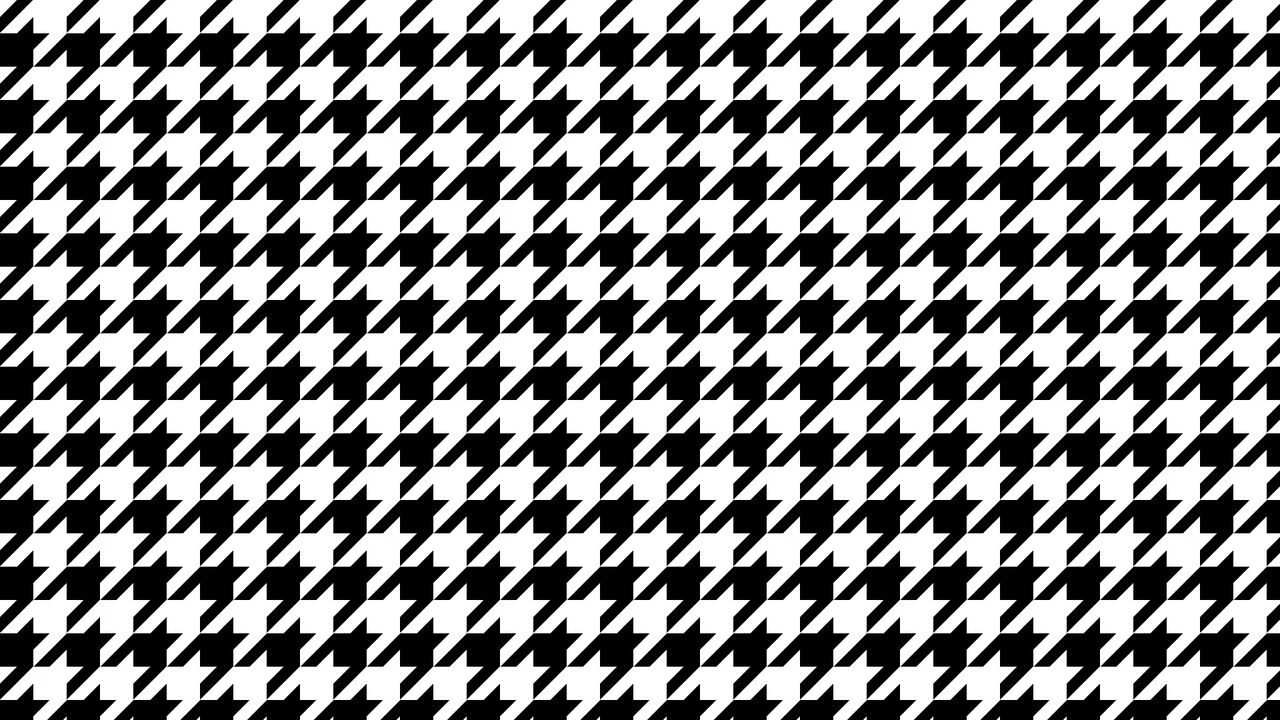
Optical Illusion CSS Background Pattern
This is an Optical Illusion CSS Background Pattern. It generates a complex, interlocking geometric tessellation using only mathematical gradient overlays. Its function is to provide a visually striking, lightweight background texture without requiring external image assets.
Chrome 69+
Edge 79+
Firefox 83+
Safari 12.1+See the Pen Optical Illusion CSS Background Pattern.

Pulsing Circle Optical Illusion
This is a Pulsing Circle Optical Illusion. It generates a static, high-contrast geometric pattern that exploits peripheral vision to create a false sense of motion. Its function is to serve as a lightweight, visually arresting background or artistic centerpiece using only a handful of CSS properties and zero JavaScript.
Chrome 69+
Edge 79+
Firefox 83+
Safari 12.1+See the Pen Pulsing Circle Optical Illusion.

Iridescent 3D Neumorphic Button
This is an Iridescent 3D Neumorphic Button. It pushes CSS styling to the limit, using stacked gradients, oklch color spaces, and advanced blend modes to create a button that feels like a piece of polished, translucent hardware. Its function is to serve as a high-fidelity “Hero” element, delivering a tactile, light-responsive experience that feels alive under the cursor.
Chrome 105+
Edge 105+
Firefox 121+
Safari 15.4+
See the Pen Iridescent 3D Neumorphic Button.

Neumorphic Drag Dial Thermostat
This is a Neumorphic Drag Dial Thermostat. It provides a tactile, skeuomorphic interface for setting numerical values (like temperature) through rotational dragging or keyboard input. The dial dynamically reveals cool-to-warm gradient colors based on the current value, enhancing the physical “feel” of a smart home control panel. (Requires: GSAP, Draggable)
Chrome 60+
Safari 11+
Firefox 55+
Edge 79+See the Pen Neumorphic Drag Dial Thermostat.

Skeuomorphic Reversi Radio Buttons
This is a Skeuomorphic Reversi Radio Button component. It overrides standard browser inputs to create a tactile, three-dimensional interaction mechanism. Its function is to replace flat state changes with physical motion, animating the selection exactly like a two-sided piece flipping over on a board.
Chrome 43+
Edge 12+
Firefox 16+
Safari 9+See the Pen Skeuomorphic Reversi Radio Buttons.

Cute Animal Illustration
This is a Pure CSS Cute Animal Illustration. It replaces static image files (PNG/SVG) with a mathematical, resolution-independent drawing constructed entirely from DOM nodes. Its function is to showcase advanced CSS geometry and rendering capabilities, creating a highly scalable and lightweight visual asset without external HTTP requests.
Chrome 88+
Edge 88+
Firefox 84+
Safari 14+See the Pen Cute Animal Illustration.

Anchored Glassmorphic Tab Indicator
This is an Anchored Glassmorphic Tab Indicator. It utilizes the cutting-edge CSS Anchor Positioning API to physically tether a floating visual highlight to the currently active or hovered navigation button. Its function is to provide highly fluid, magnetic feedback without relying on complex JavaScript bounding-box calculations.
Chrome 125+
Edge 125+
Firefox (partial)
Safari (partial)
See the Pen Anchored Glassmorphic Tab Indicator.

Glassmorphic Advanced Navigation System
This is a Glassmorphic Advanced Navigation System. It provides a central, floating control hub for single-page applications. Its function is to persistently guide the user across different content sections while maintaining a high-end, translucent aesthetic that adapts fluidly between desktop and mobile environments.
Chrome 76+
Edge 79+
Firefox 70+
Safari 14+
See the Pen Glassmorphic Advanced Navigation System.

Pure CSS Retro Arcade Machine
This is a Pure CSS Retro Arcade Machine. It constructs a highly detailed, nostalgic gaming cabinet entirely out of HTML nodes and CSS styling. Its function is to showcase the power of CSS as an illustrative medium, replacing static raster images or SVGs with resolution-independent, scalable code.
Chrome 69+
Edge 79+
Firefox 83+
Safari 12.1+
See the Pen Pure CSS Retro Arcade Machine.

Interactive 3D Pricing Card Slider
This is an Interactive 3D Pricing Card Slider. It integrates WebGL geometric renders into a standard product tier UI. Its function is to convert static pricing options into an engaging, tactile spatial experience. (Requires: three.js, swiper.js)
Chrome 60+
Edge 79+
Firefox 55+
Safari 11+
See the Pen Interactive 3D Pricing Card Slider.

Tumbling 3D Cubes Animation
This is a Tumbling 3D Cubes Animation. It visualizes three interconnected, translucent cubes endlessly rolling across a grid floor in a synchronized sequence. Its function is to demonstrate complex spatial geometry and continuous kinetic motion using exclusively DOM nodes and stylesheets, replacing heavy WebGL libraries with pure CSS mathematics.
Chrome 36+
Edge 12+
Firefox 16+
Safari 9+
See the Pen Tumbling 3D Cubes Animation.