30+ CSS Paginations
Navigation structure requires absolute clarity. Pure CSS Pagination Examples remove the friction of heavy JavaScript listeners, allowing the interface to indicate page position natively. This collection provides professional, minimalist blocks for modern UI design, organizing index links into tactile sequences. Utilizing these curated snippets replaces bloated scripts with raw, functional logic. No latency.
Technically, these examples rely on the checkbox hack or the :target pseudo-class for state management. The code utilizes Flexbox for precise alignment and pointer-events to disable links on the current page. Motion leverages hardware acceleration — animating properties like transform: scale and opacity — to maintain a locked 60fps performance on the compositor thread. The HTML structure remains strictly semantic, supporting accessible navigation.
Every free demo is fully responsive and cross-browser compatible. Users can instantly download the raw code or fork an updated interaction on CodePen. These assets are strictly optimized for performance, delivering a fast, frictionless experience across all modern devices.
Examples

Sliding Dot Pagination
This pagination component’s core logic is managed in SCSS, where the .active class (toggled by a minimal JavaScript snippet) triggers a transform: translateX() on a .pagination-current element, creating a fluid “sliding dot” effect. The user experience is further enhanced by a series of polished micro-interactions on the :hover and :active states, which use transform transitions with custom cubic-bezier timing functions to create subtle scaling and “squash and stretch” animations.
See the Pen Sliding Dot Pagination.


Interactive dot pagination. Logic-driven transitions through CSS keyframes and lightweight JavaScript. Essential visual feedback for interface navigation.

Interactive SVG navigation with GSAP-powered elastic transitions. A dynamic stroke connects nodes using mathematically precise masking and path interpolation. Motion aesthetics driven by logic.

Logic-driven progress indicator with explicit state separation. JavaScript manages ‘past’, ‘current’, and ‘future’ classes for navigational feedback. Minimalist Flexbox layout utilizing pseudo-elements for structural connectivity.

Dynamic pagination featuring automatic truncation via SCSS loops. State management is handled through the [actpage] attribute and nth-child selectors to minimize script logic. A clean monochrome UI with a smooth scale-in entry animation.

Responsive pagination with font scaling via media queries. Minimalist design powered by data attributes and logical state management.

A set of twelve pagination design variations. Ranging from classic numeric blocks to geometric progress indicators. Built with Flexbox and pure CSS for streamlined performance.

SCSS dot pagination utilizing custom cubic-bezier transitions. Pseudo-element scaling provides instant visual feedback and a logical navigation structure.

Interactive navigation revealing numeric links upon arrow hover. The effect is powered by CSS width transitions and an animated underline element. Direct interaction logic with zero JavaScript.

Interactive pagination built with jQuery UI Slider, featuring robust ARIA accessibility. The component enables page selection via dragging, direct input, or keyboard shortcuts. SCSS-driven styling ensures dynamic labeling and full responsiveness for mobile interfaces.

Geometric pagination built with SCSS and vanilla JavaScript for state management. Arrow animations utilize line transforms to provide distinct visual feedback with zero overhead.
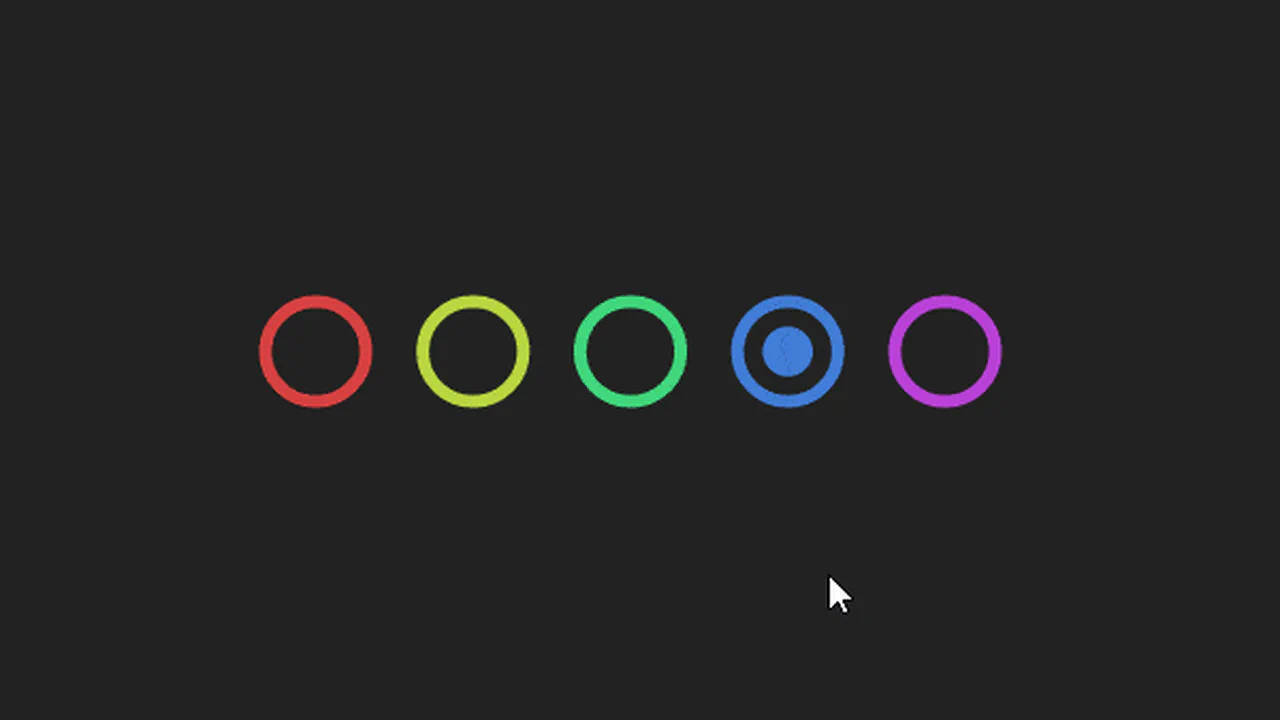
Interactive SVG pagination powered by GSAP. A dynamic marker transitions between nodes using parabolic motion and elastic scaling logic.

Adaptive navigation featuring control element morphing upon reaching the page limit. jQuery manages state transitions, while CSS animations smoothly alter the “Next” button geometry into a functional call to action.