8 CSS Tags
Metadata requires structural definition. Pure CSS Tag Examples remove visual barriers between categorized data and the screen. This collection delivers minimalist label blocks for modern UI design, organizing info into tactile sequences. Utilizing curated snippets replaces bloated assets with raw, functional geometry. No scripts. No friction.
Technically, these examples rely on Flexbox for precise alignment and pseudo-elements (::before) for contextual indicators. Visual states leverage hardware acceleration, animating properties like transform: scale and opacity for a locked 60fps performance on the compositor thread. The HTML structure remains strictly semantic, supporting accessible labeling without heavy dependencies.
Every free demo is fully responsive and cross-browser compatible. Users can instantly download the raw code or fork an updated interaction on CodePen. These assets are strictly optimized for performance, delivering a fast, frictionless experience across all modern devices.
Examples

A collection of interactive link styles implemented with SCSS. The set includes 13 unique hover effects ranging from simple brackets and dots to complex 3D cubes and flips. Utilizing pseudo-elements and transform-style: preserve-3d provides rich visual depth entirely within the stylesheet.

Adaptive label component with dynamic size calculation based on SCSS variables. Clean pseudo-element logic generates the characteristic shape without relying on image assets.
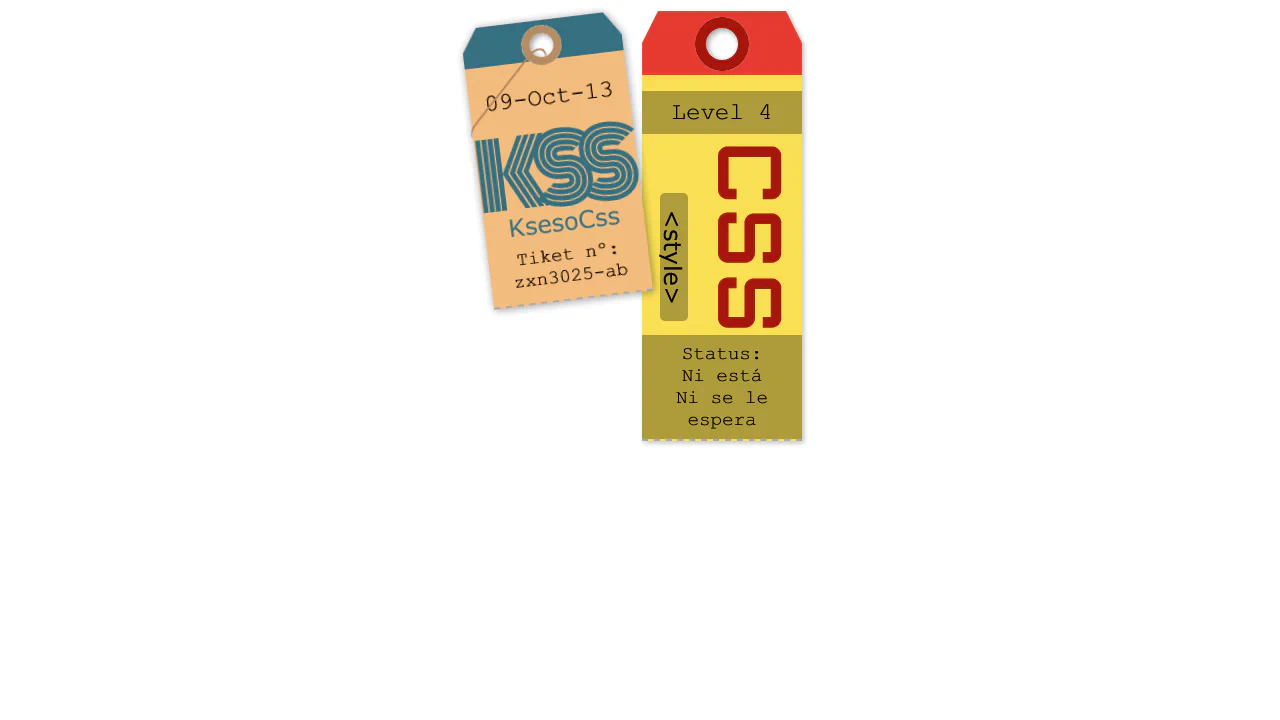
A collection of graphic tags built with pure CSS, utilizing pseudo-elements to define complex geometry and drop shadows. The snippet showcases custom typography and transformations, delivering high performance and a strictly logical element structure.
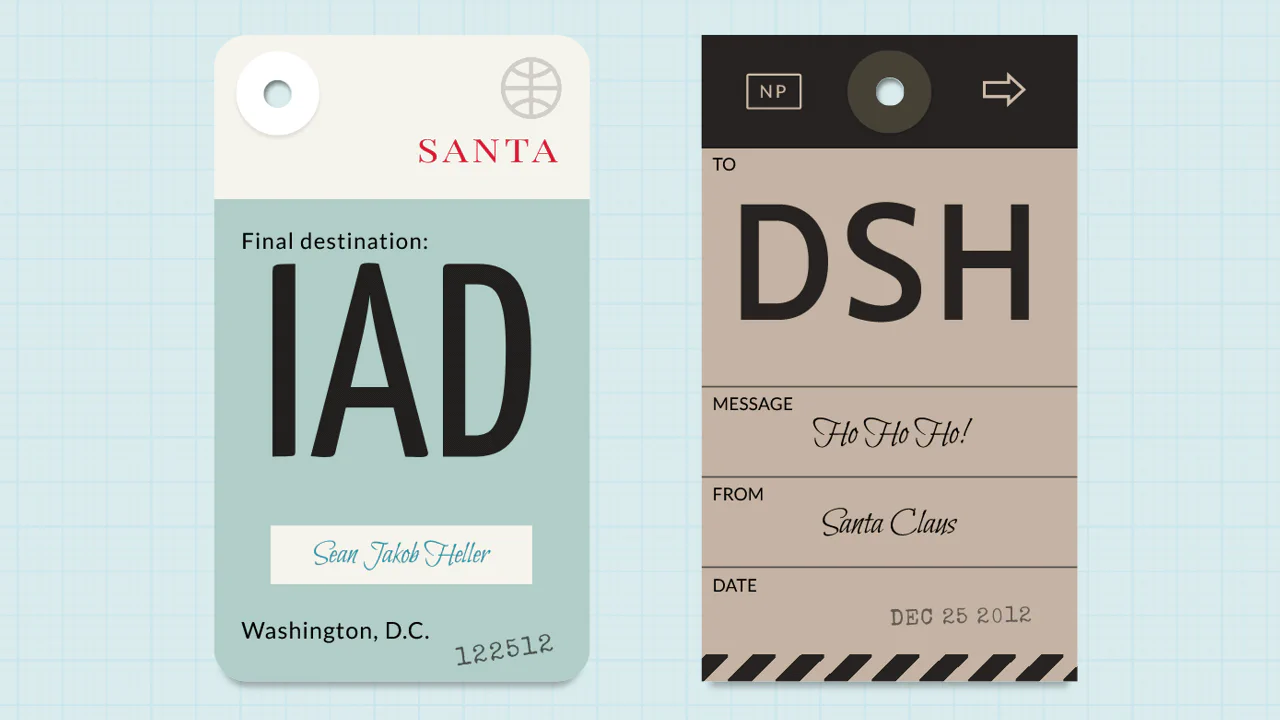
Functional gift labels mimicking analogue luggage tags. Flexbox-driven responsive grid paired with structured SCSS logic. CSS gradients and precise typography create physical depth through pure code.
Interactive 3D tags featuring a pure CSS flip effect. Built with perspective and backface-visibility for smooth transitions between sides. Geometric shapes are defined through CSS transforms and gradients, ensuring a lightweight, asset-free implementation.
Interactive tag featuring a “folded corner” effect achieved via clip-path and pseudo-elements. Upon hover, the polygon smoothly expands while the fold disappears through a CSS transform, providing a clean and functional visual response.
SCSS-powered tag bar with an integrated expanding search field. Logic-driven hover states use scale transforms and gradient text-clipping for precise feedback. Clean Flexbox structure ensures responsive alignment.
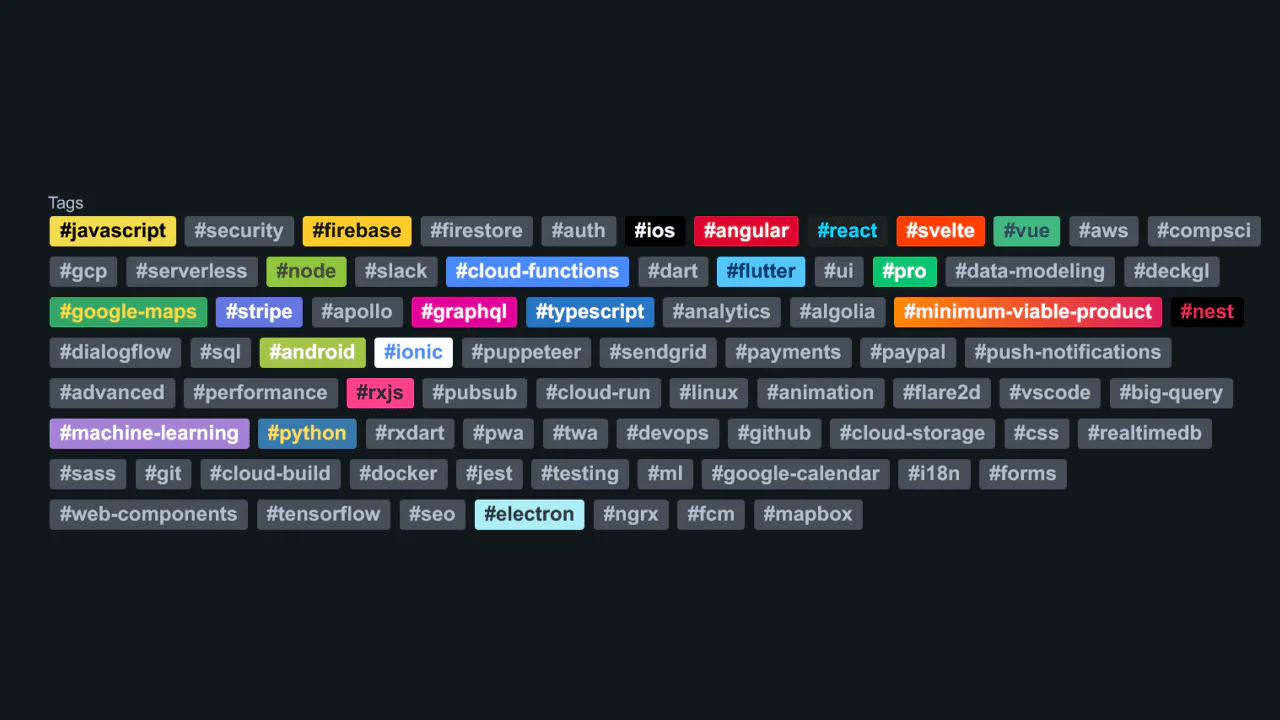
A set of branded technology tags utilizing CSS variables for centralized color management. Built with semantic markup and logical class naming, the design ensures easy scalability and instant visual identification of different tech stacks.