20+ CSS Tickets
Event data requires physical constraints. The CSS Ticket Examples collection removes the ambiguity of standard cards, applying precise perforated aesthetics to the screen. Modern UI design uses these curated snippets to structure receipts and passes instantly.
The logic relies on mask-image and radial-gradient to create flawless cutout edges and perforations. The code utilizes CSS Grid for exact text alignment. Hover states leverage hardware acceleration, animating transform to ensure 60fps performance. The HTML structure remains strictly semantic, guaranteeing high layout stability without DOM clutter.
Every free demo is responsive and cross-browser compatible. Users can download the raw code or fork an updated layout on CodePen.
Examples

Entry Ticket
A detailed event ticket simulation constructed with CSS Grid, featuring authentic textures and typography (barcodes, holograms).
See the Pen Entry Ticket.

Ticket
A ticket layout where data (date, code) is generated on the fly with vanilla JS and inserted into the HTML - styling is done using CSS Grid, drop-shadow, and reusable SVG symbols via the <use> tag.
See the Pen Ticket.


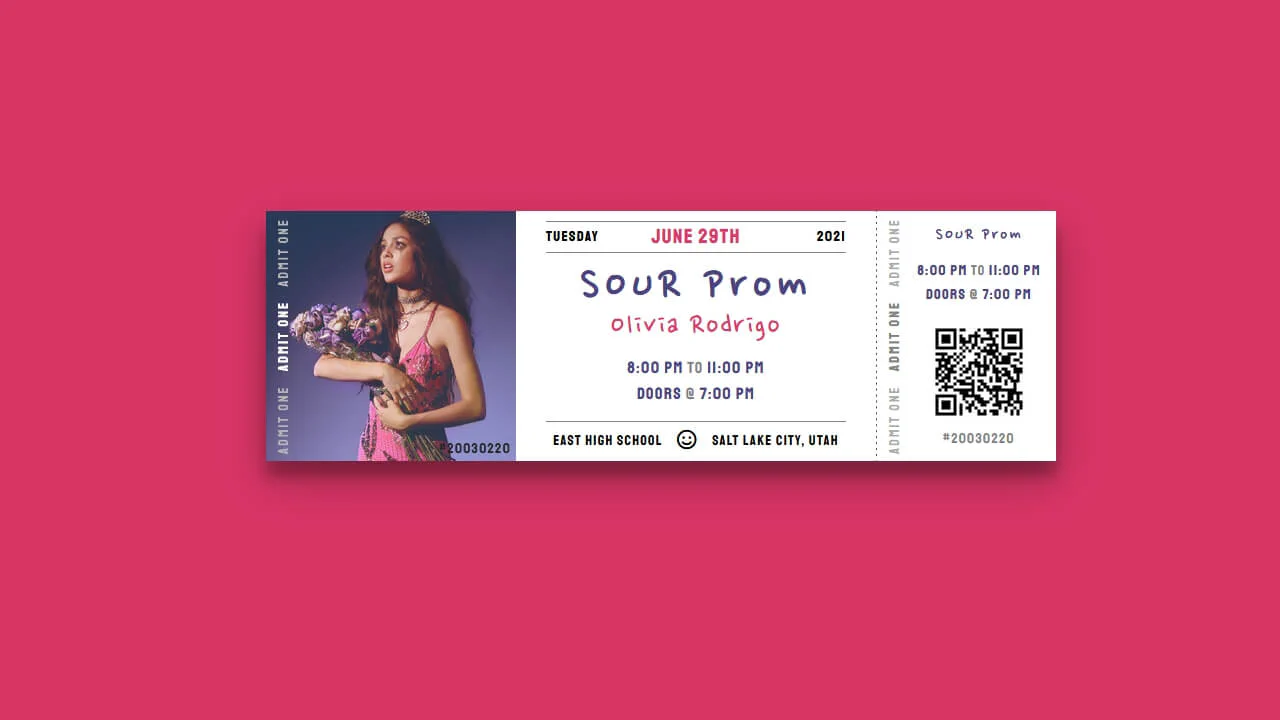
Modular layout via CSS Grid. Perforation effect achieved through positioned pseudo-elements with radial cutouts. Typography and text orientation defined using writing-mode.

Minimalist ticket design utilizing CSS gradients for layout segmentation. Perforation effect achieved via positioned pseudo-elements; barcode generated through cascaded box-shadow values. Structural logic based on a two-column layout.

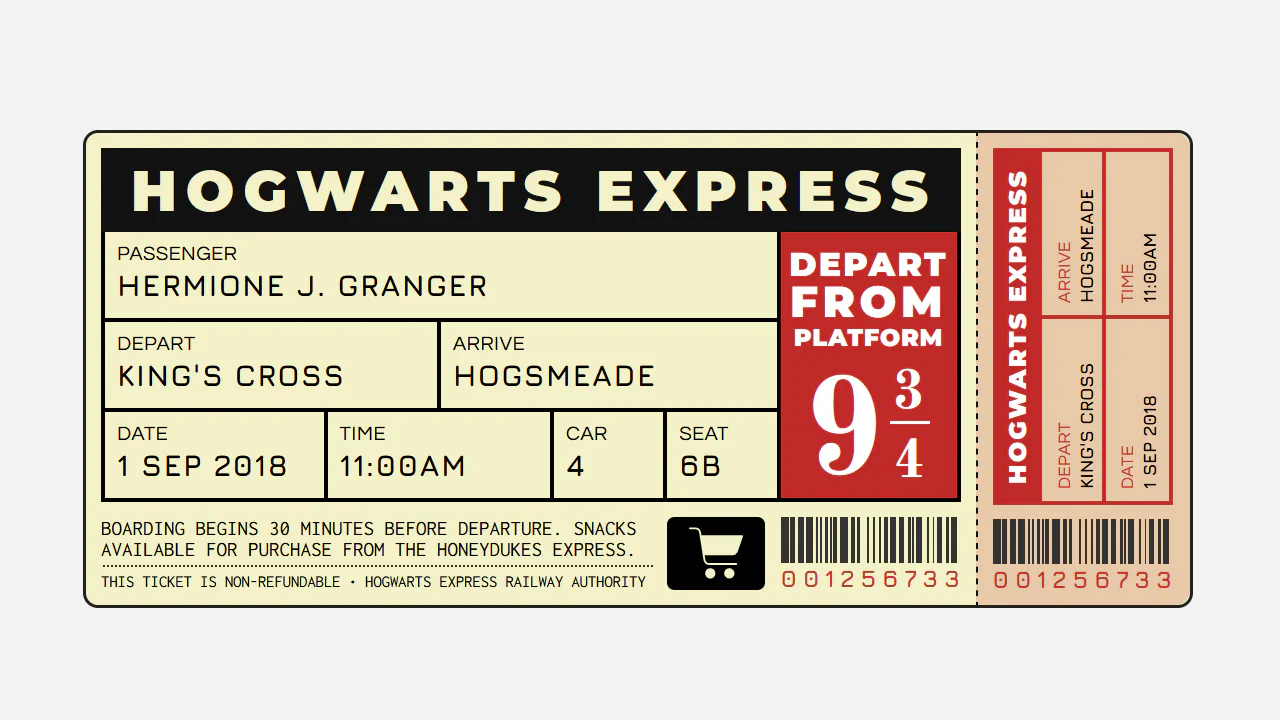
Industrial-style ticket featuring grid-based layout and complex typography. Perforation is formed via absolutely positioned elements with negative margins, while text depth is achieved through iterative CSS shadows. writing-mode structures the data into a vertical flow.

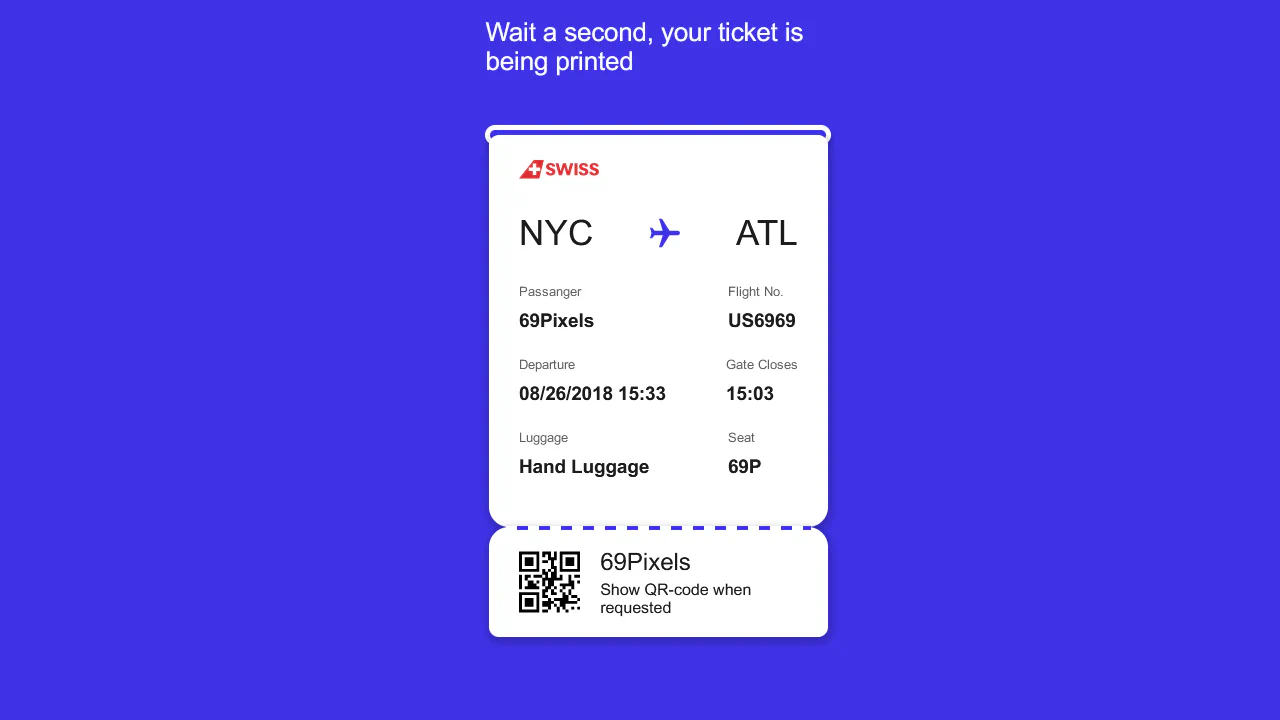
Airline ticket rendered with absolute positioning and layered borders. Perforation effect achieved through arrays of CSS triangles in lists and complex box-shadow gradients. Data architecture employs visual field replication.

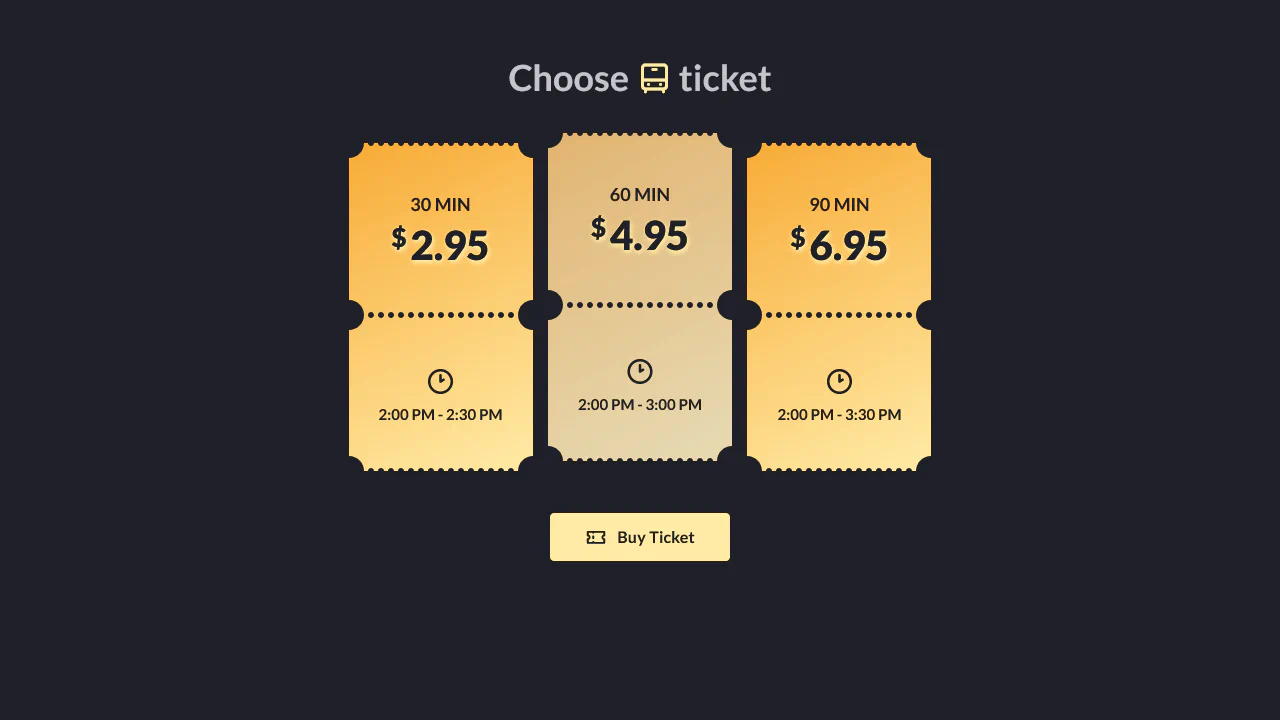
Perforated ticket realized via radial gradients in pseudo-elements. The structure employs a CSS gradient grid to create a die-cut edge effect without raster images.

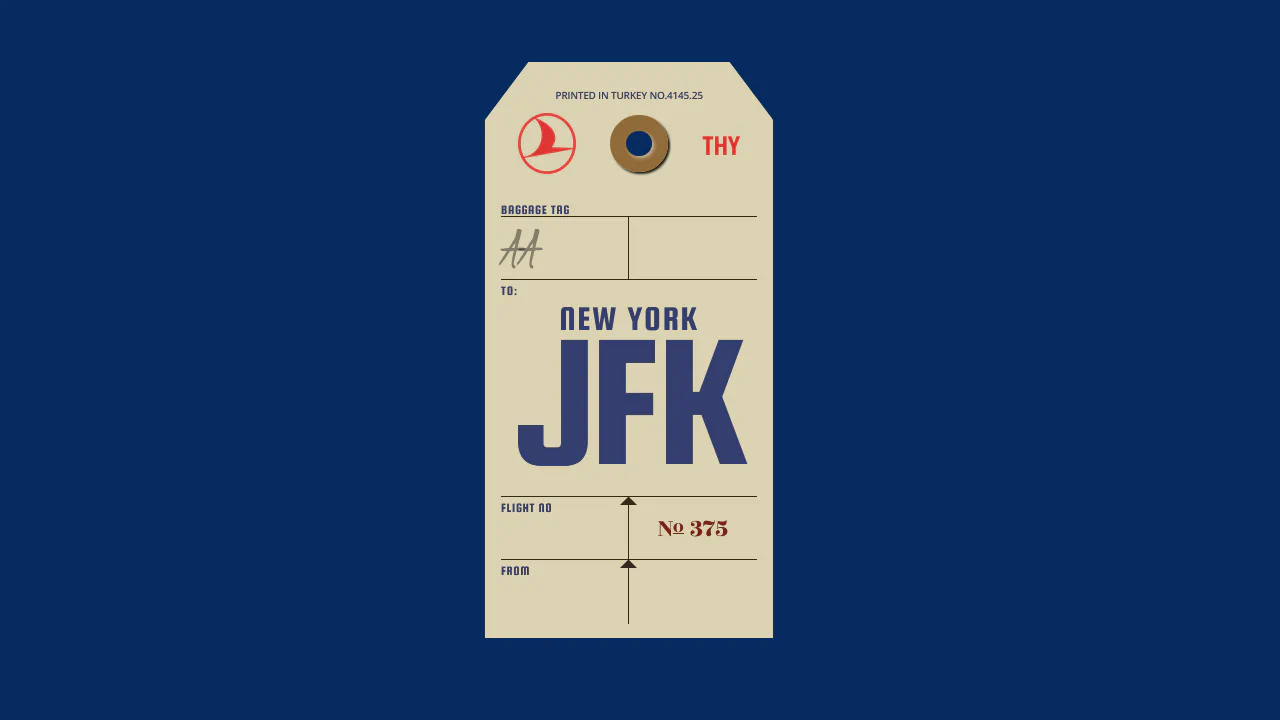
Ticket component using pseudo-elements to simulate a perforated edge. The ‘rip’ section and side notches are rendered through background imagery and geometric transforms. Layout architecture relies on the Flexbox model.

Invitation ticket design utilizing CSS borders to create diagonal notches. Layout structured via Flexbox, with visual focus achieved through high-contrast typography and rigorous geometry. Minimal code, maximum clarity.
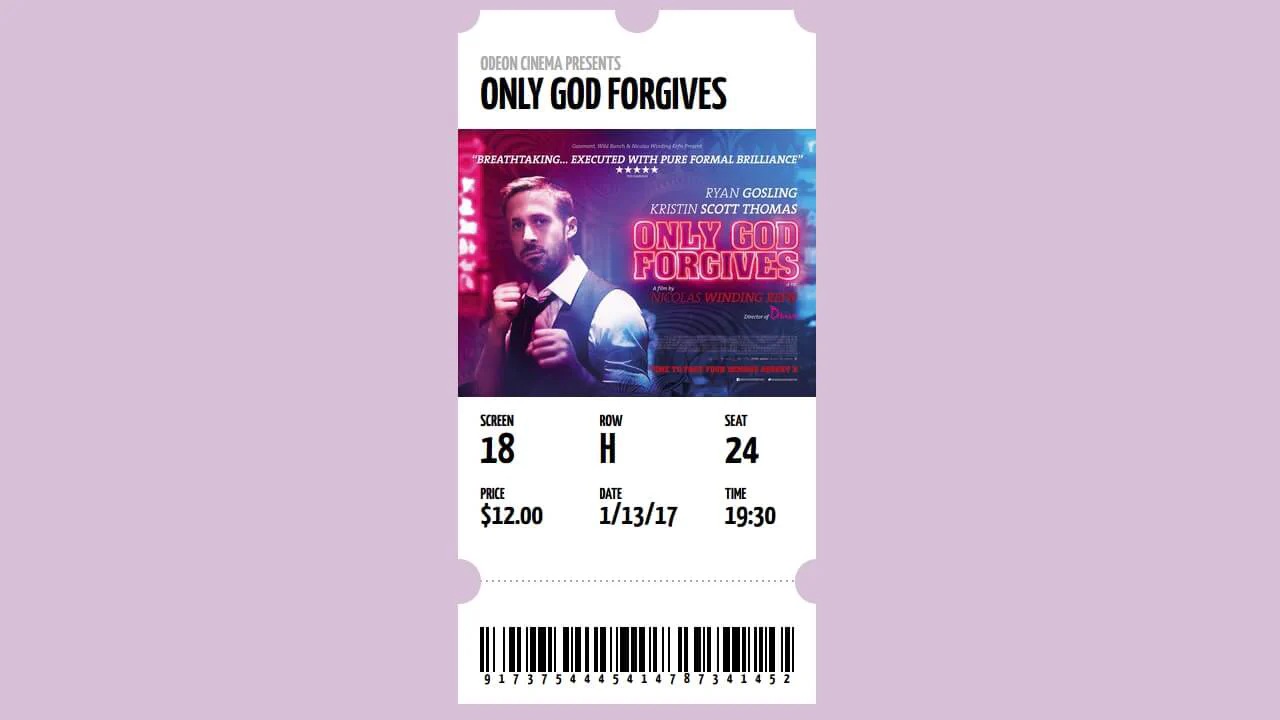
Movie ticket featuring perforation effects implemented via CSS pseudo-elements and positioning. The barcode is generated dynamically via JavaScript by populating a table with cells. The layout strictly adheres to a modular grid.
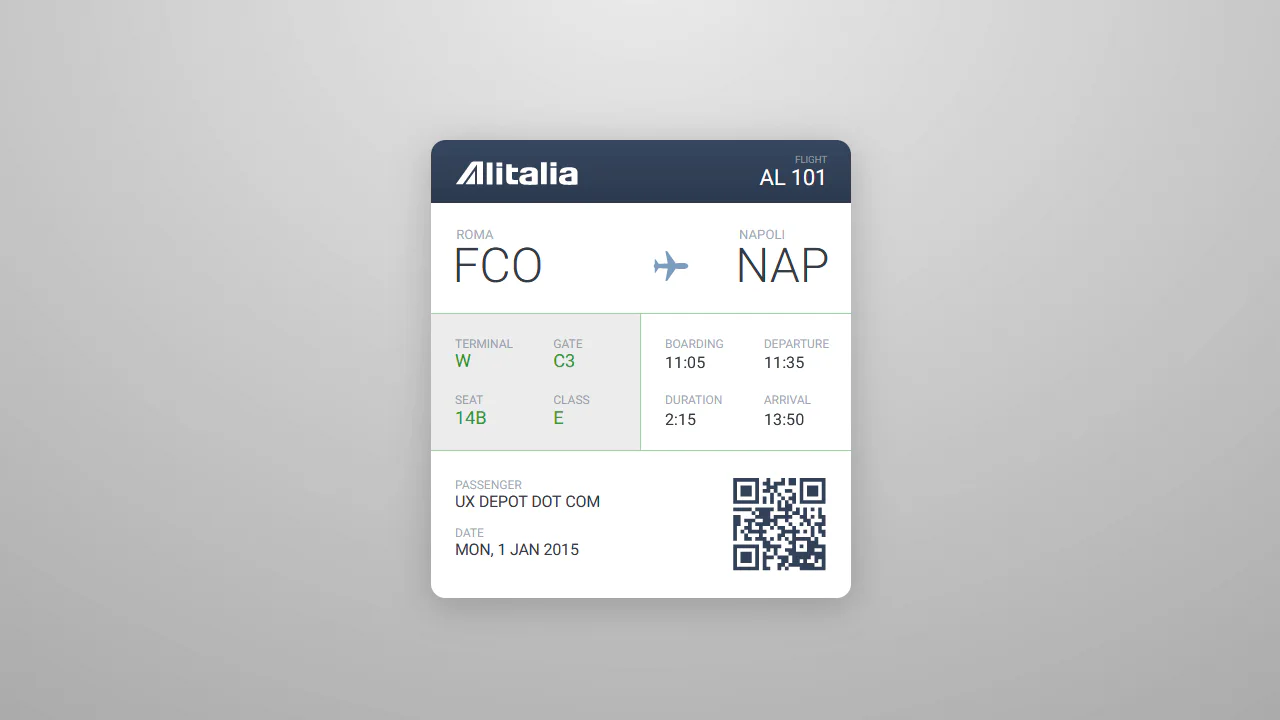
Boarding pass styled with SVG icons and Flexbox positioning. Visual data hierarchy is maintained through precise padding and contrasting typographic weights. The entire structure is designed as a cohesive grid.
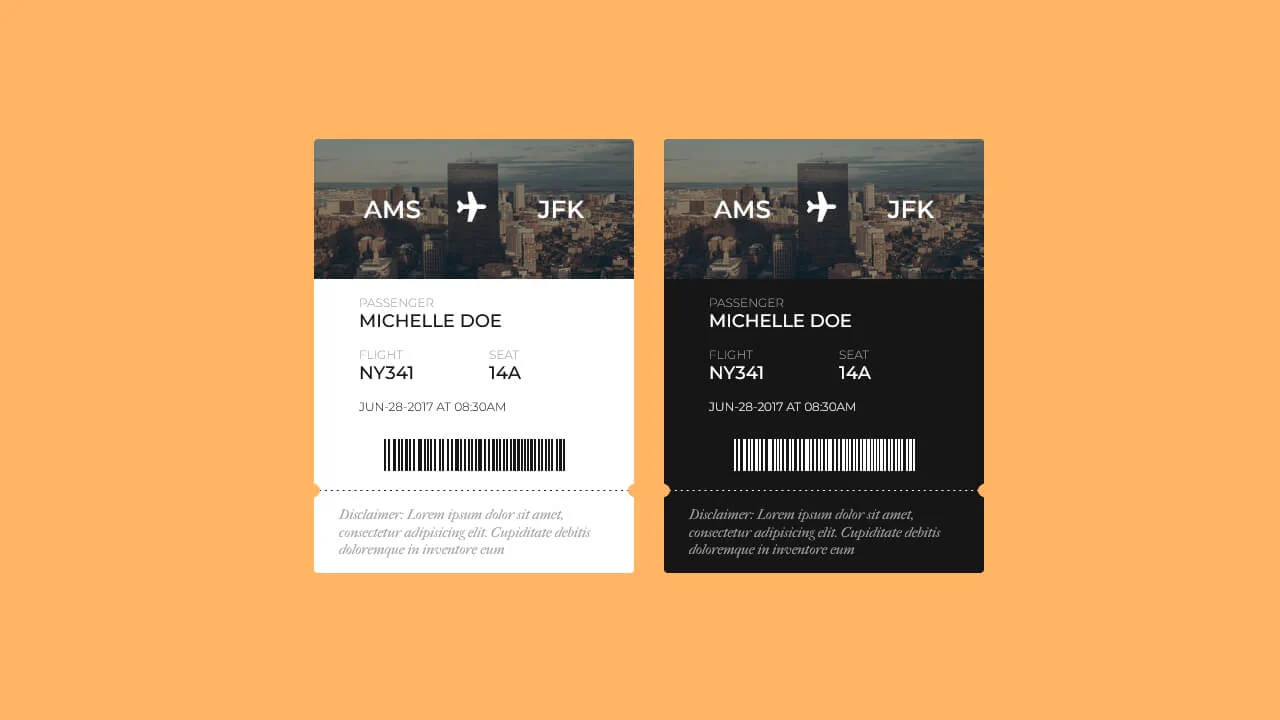
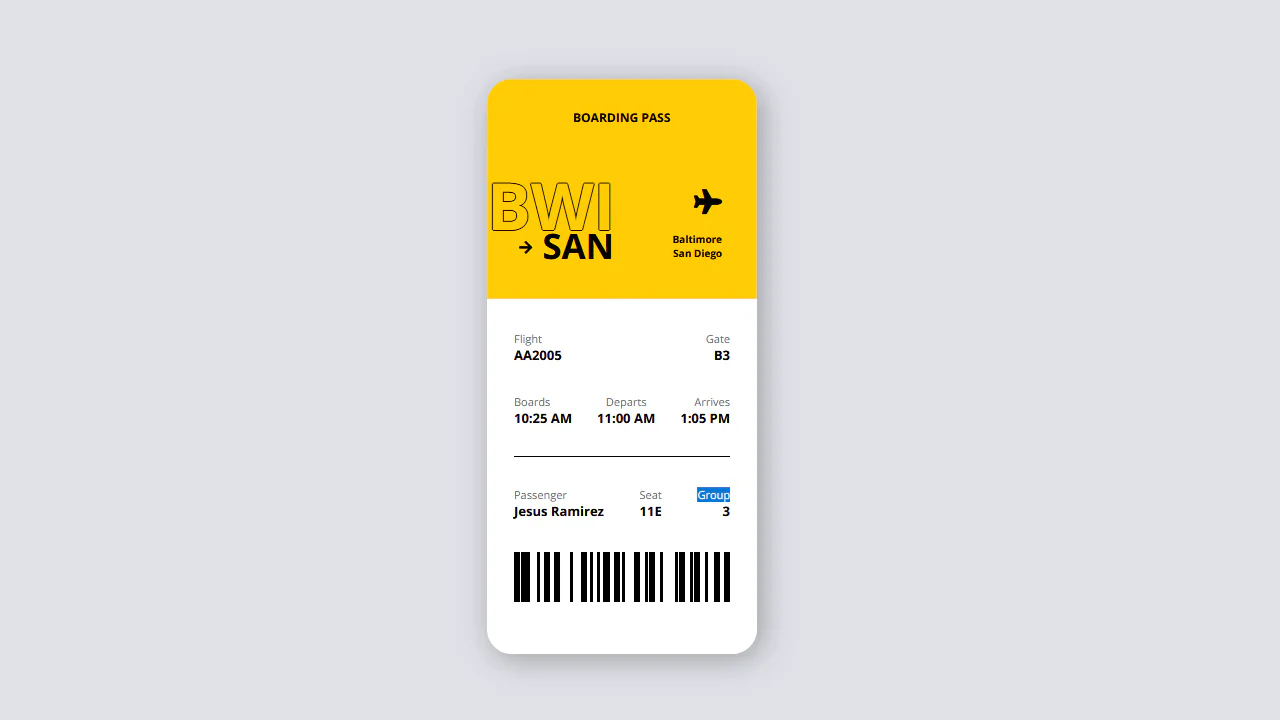
Boarding pass with modular LESS architecture. Visual perforation is achieved through radial cutouts using pseudo-elements, while the barcode is rendered via a box-shadow array. The component supports theme switching through inherited color properties.

Lottery ticket styled through a composition of radial gradients for rounded corners and CSS patterns to simulate perforation. The structure utilizes positioned pseudo-elements to form decorative blocks and identifiers. Minimal markup, focus on geometric precision.