3 JavaScript Holographic Effects
This collection explores various techniques for creating futuristic holographic effects. Simple CSS solutions with animated pseudo-elements for glitches and scanlines are detailed, as well as interactive 3D objects using CSS perspective and mouse tracking. For the most impressive “liquid” distortions, the power of WebGL shaders that react to cursor movement in real-time is demonstrated. This is your guide to building the interfaces of the future, from lightweight styling to complex GPU-accelerated animations.
Examples

Multi-Card Glow Hover
A holographic card effect driven by mouse tracking via JavaScript, which updates CSS variables to position dynamic gradients.
See the Pen Multi-Card Glow Hover.

Holographic Name Card with Hover Effects
An interactive 3D holographic card where JavaScript maps pointer coordinates to scoped CSS Custom Properties like --pointer-x. The physical lighting simulation relies on complex gradient layering, mask-image, and mix-blend-mode, all dynamically driven by these calculated values to create realistic depth and glare.
See the Pen Holographic Name Card with Hover Effects.
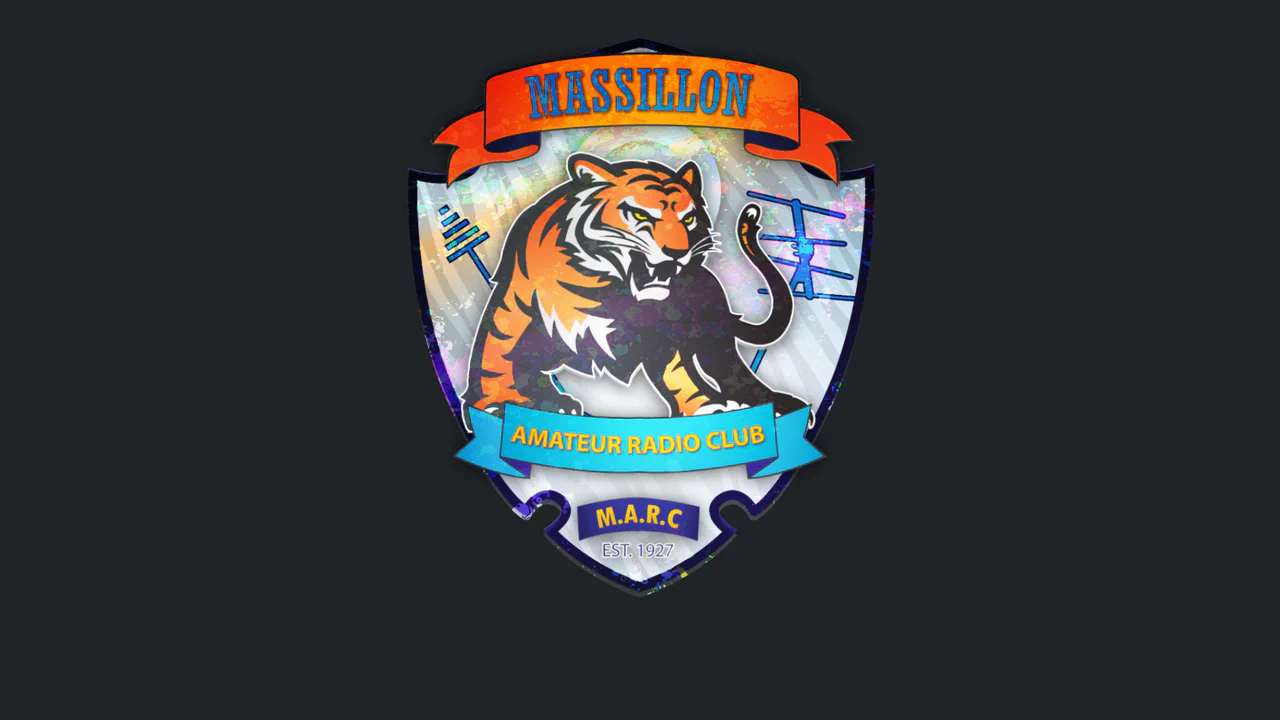
Amateur Radio Badge 3D
A highly sophisticated holographic badge simulation utilizing CSS 3D transforms and layered mix-blend-mode effects. JavaScript tracks mouse movement to dynamically update CSS variables, driving complex parallax shifts, lighting gradients, and SVG-masked glares for a realistic, tactile depth experience.
See the Pen Amateur Radio Badge 3D.