1 JavaScript Paper Effects
Skeuomorphic paper effects provide a tactile and familiar interface in a digital landscape, bridging the gap between physical stationery and modern web applications. This updated collection offers advanced solutions for digital journals, interactive document viewers, and artistic portfolios. By utilizing these curated snippets, developers can implement complex interactions like realistic page folds, paper tearing, and crumpling physics that enhance user immersion far beyond static design.
Technically, these examples move beyond simple CSS transforms by utilizing the Canvas API, WebGL, and sophisticated DOM manipulation. These scripts leverage hardware acceleration and requestAnimationFrame to ensure that vertex calculations and shadow mapping remain fluid at 60fps. From physics-based dragging logic to procedural generation of torn edges, the code focuses on maintaining layout stability and preventing performance bottlenecks during complex geometric deformations.
Utility is a core focus of this library. Every free demo is built with responsiveness and cross-browser compatibility in mind, ensuring the UI remains functional across touchscreens and desktop environments. You can easily download the source code or fork a project on CodePen to integrate these accessible, high-performance components. Each snippet is designed to work with semantic HTML, ensuring that visual flair does not compromise the underlying content structure.
Examples
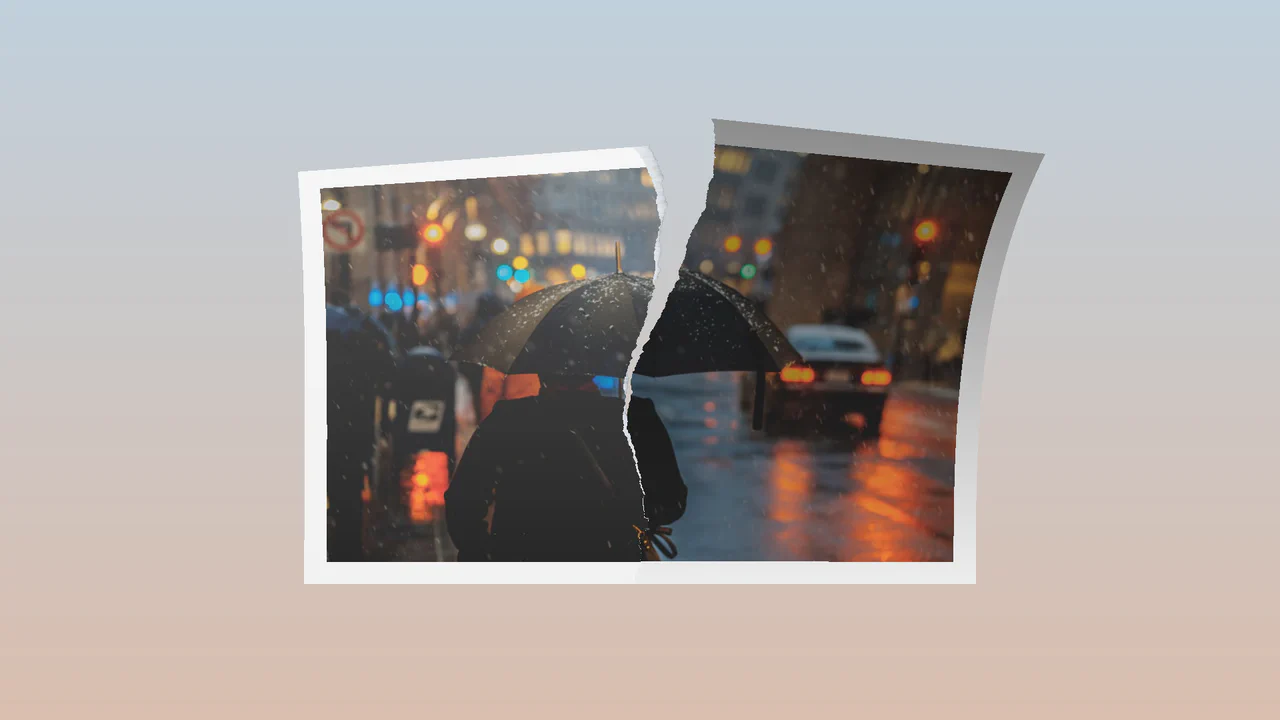
Tearing Paper Photo Gallery
This Tearing Paper Photo Gallery is a technical marvel that simulates the physical act of ripping a photograph in half. Unlike simple 2D masking effects, this component uses WebGL (Three.js) to deform the geometry in 3D space. As the user drags downward, the “paper” mesh splits, rotates, and tears along a procedural edge, complete with lighting and shadow effects generated by custom shaders. (Requires: Three.js, GSAP)
 Chrome 90+
 Edge 90+
 Safari 15+
 Firefox 90+
See the Pen Tearing Paper Photo Gallery.