90+ WebGL Examples (Page 3)
Examples
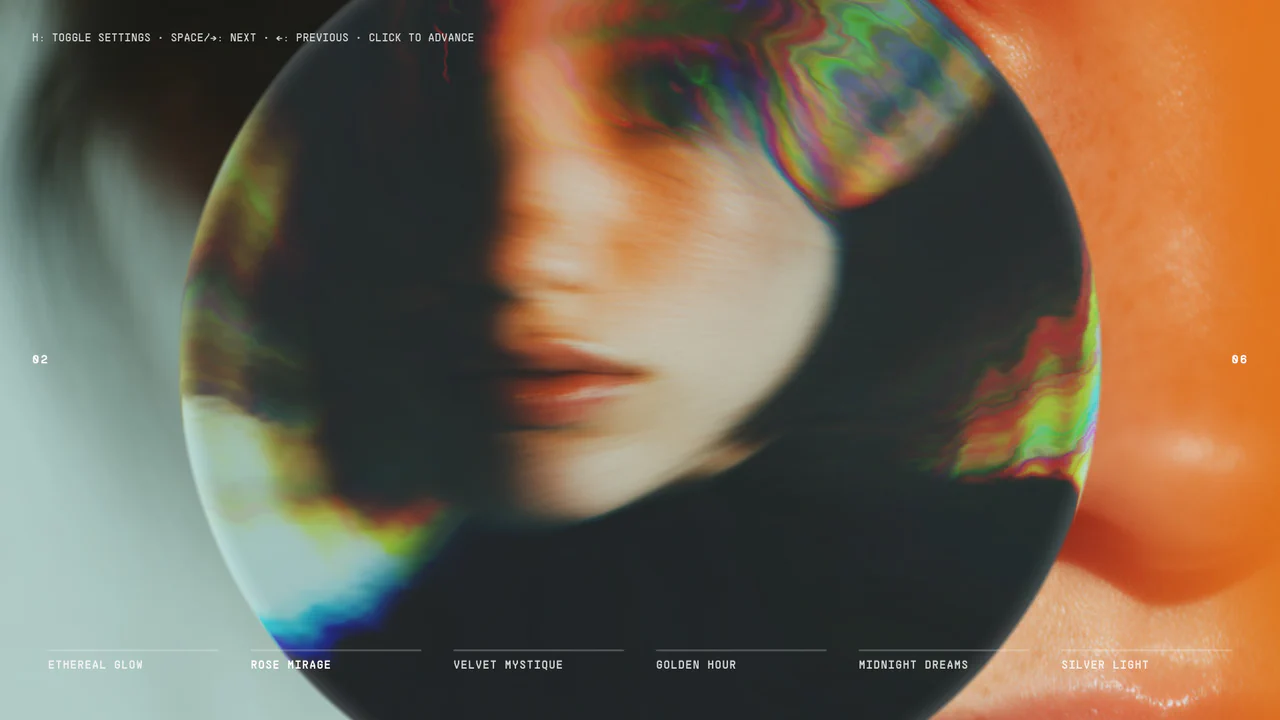
Liquid Morphology Slideshow (Three.js/WebGL)
This is a WebGL-powered image slider utilizing custom fragment shaders to create complex transition effects, structured with a comprehensive JavaScript configuration object and Tweakpane integration for real-time control over numerous uniform parameters.
See the Pen Liquid Morphology Slideshow (Three.js/WebGL).
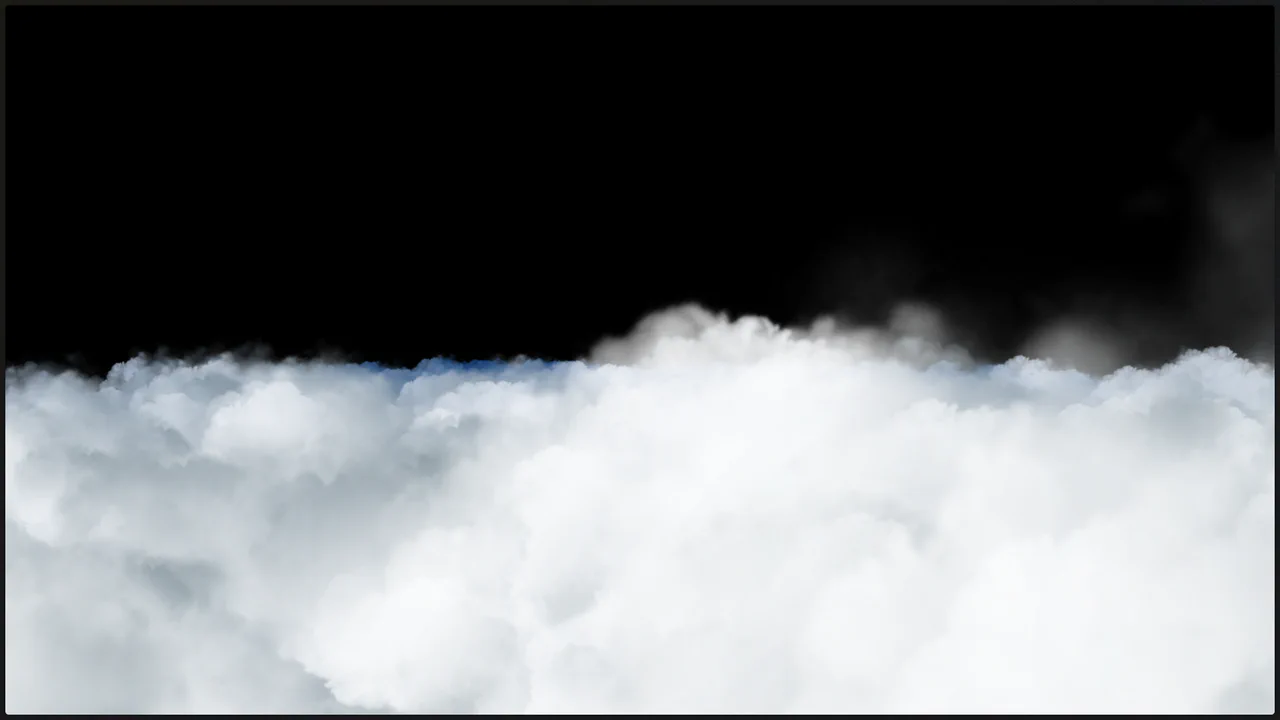
Live Clouds with Three.js
An infinite cloud-flying effect built with Three.js, where thousands of individual planes are merged using BufferGeometryUtils.mergeGeometries for optimized, high-performance rendering.
See the Pen Live Clouds with Three.js.
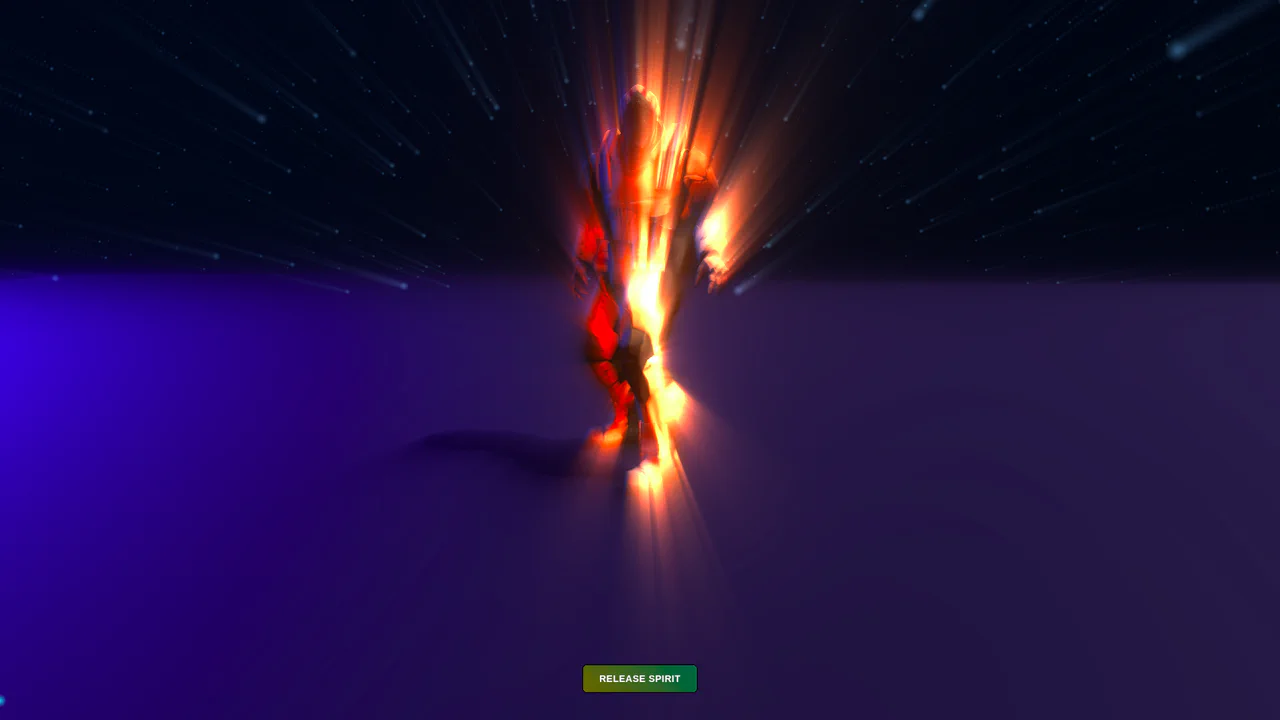
3D Soldier Spirit Effect
The demo showcases how to create an interactive and atmospheric 3D world, employing complex lighting setups (directional, point lights), particle systems, and post-processing effects to achieve a cinematic visual style.
See the Pen 3D Soldier Spirit Effect.
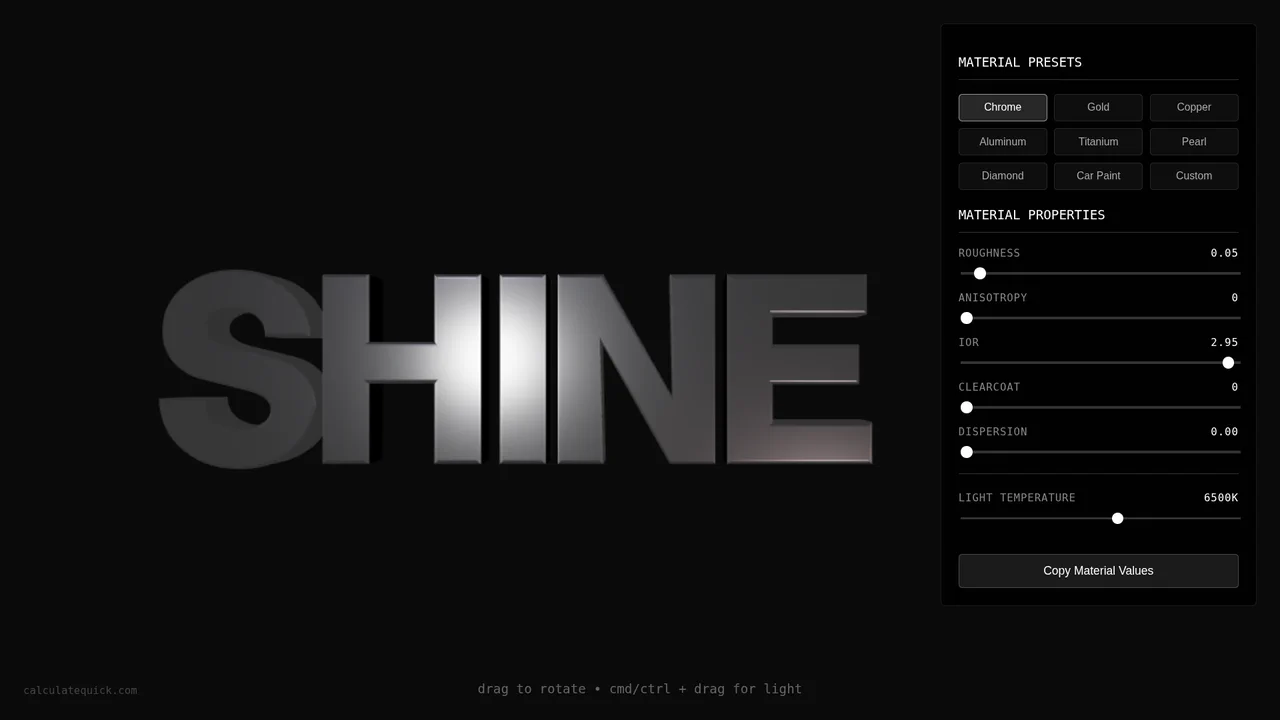
Physically Accurate Material Editor
This demo is a powerful showcase of WebGL rendering based on physically correct material properties. The code demonstrates how to combine Three.js, custom GLSL shaders, and interactive controls, allowing a user to adjust parameters like dispersion and anisotropy in real-time and observe their effect on the 3D object’s light and color.
See the Pen Physically Accurate Material Editor.
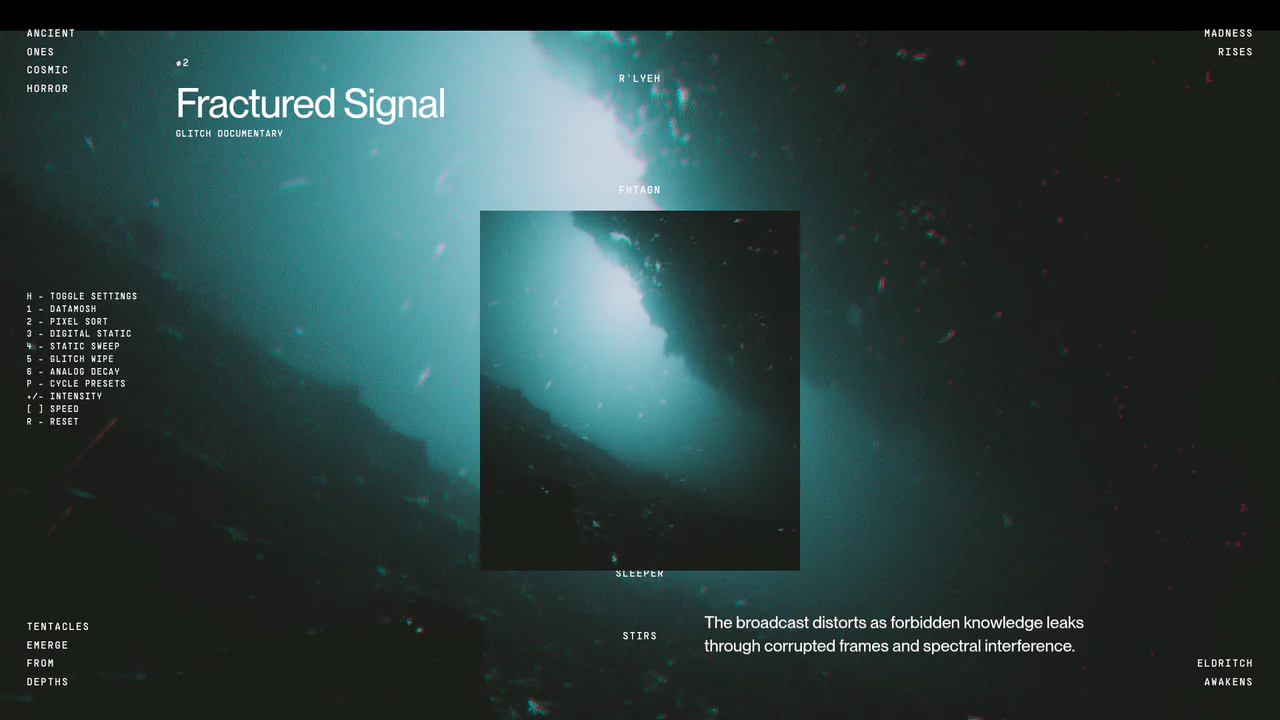
Cinematic Glitch Slideshow
An interactive demo showcasing slide transitions via destructive digital effects. It uses WebGL shaders to create realistic VHS distortion, static, and pixelation.
See the Pen Cinematic Glitch Slideshow.
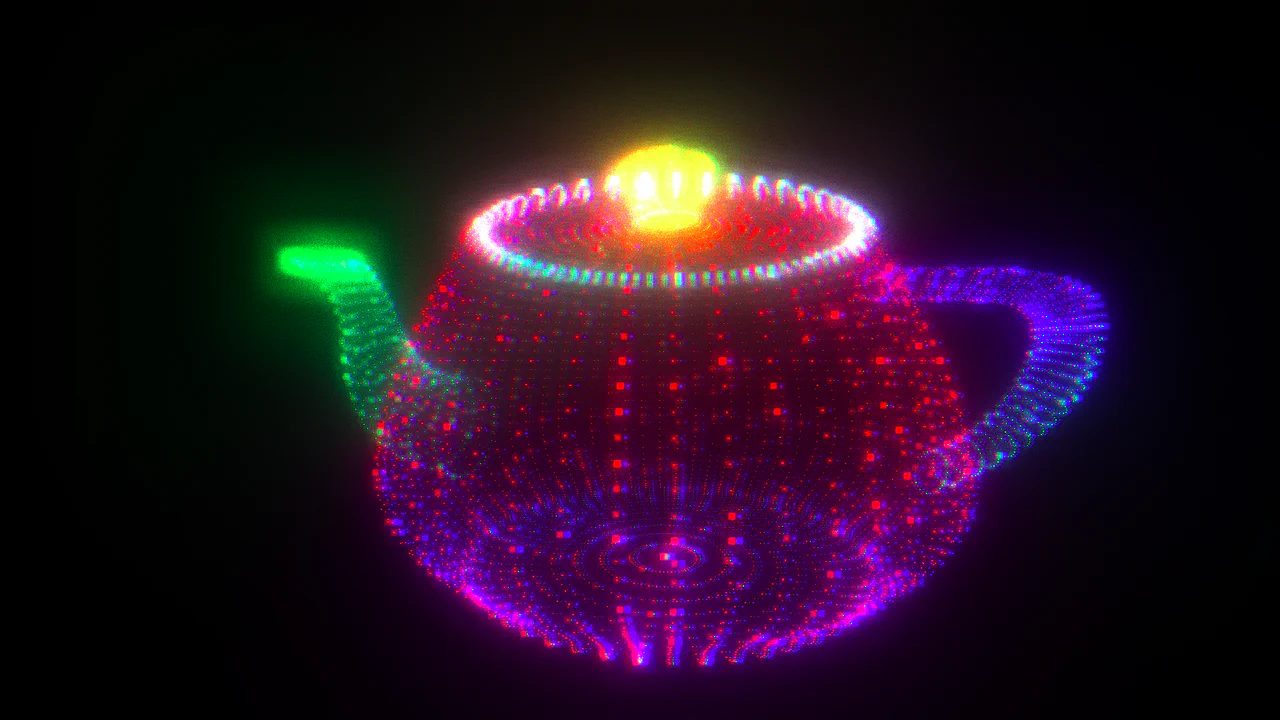
Particle Teapot with Glow Effects
A spectacular procedural 3D model generation from points using shaders and textures to create a “twinkling” effect. The use of EffectComposer allows for layering multiple post-processing effects like Bloom and RGB Shift, enhancing the visual quality.
See the Pen Particle Teapot with Glow Effects.
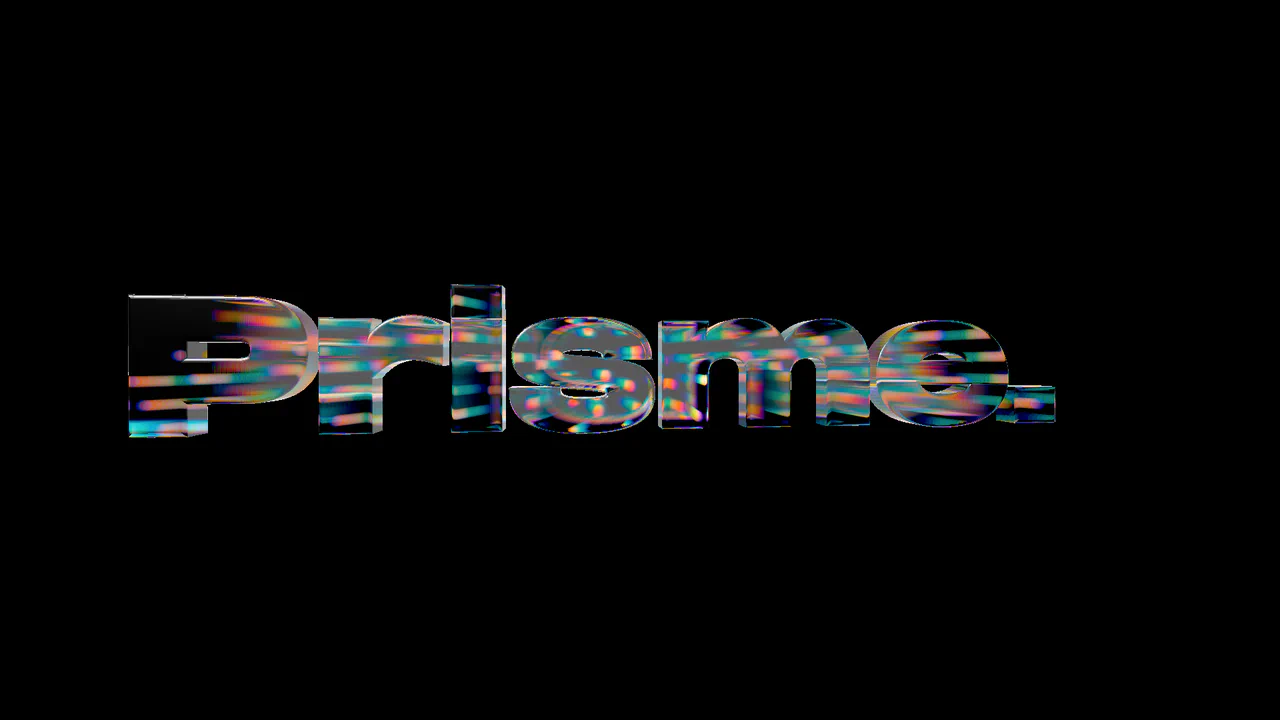
Glass Refraction Text Effect with three.js
This demo showcases advanced framebuffer and shader work. The light refraction and chromatic aberration effect is achieved by rendering geometry to multiple textures.
See the Pen Glass Refraction Text Effect with three.js.

Neobrutalist Image Slider
This HTML Canvas slider showcases advanced transition effects, from classic “Bands” and “Slice” to more complex “Halftone” and “Glitch,” all implemented with vanilla JavaScript. It’s a perfect example for understanding the capabilities of the Canvas API and creating unique interactive UI elements.
See the Pen Neobrutalist Image Slider.
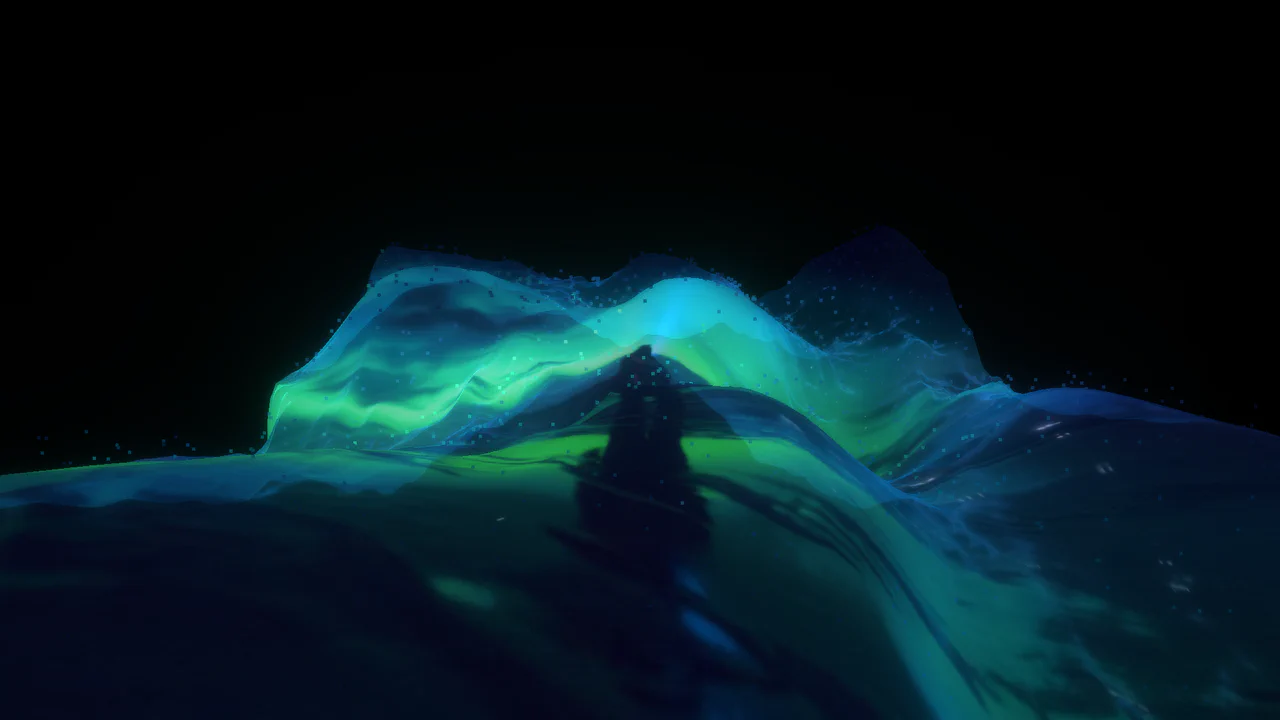
Three.js Water and Particles
The core feature of this project is the generation of complex, procedural water and particle animations directly on the GPU. Using custom shaders gives full control over the visuals, while post-processing effects add depth and a cinematic feel, opening up endless possibilities for experimentation.
See the Pen Three.js Water and Particles.
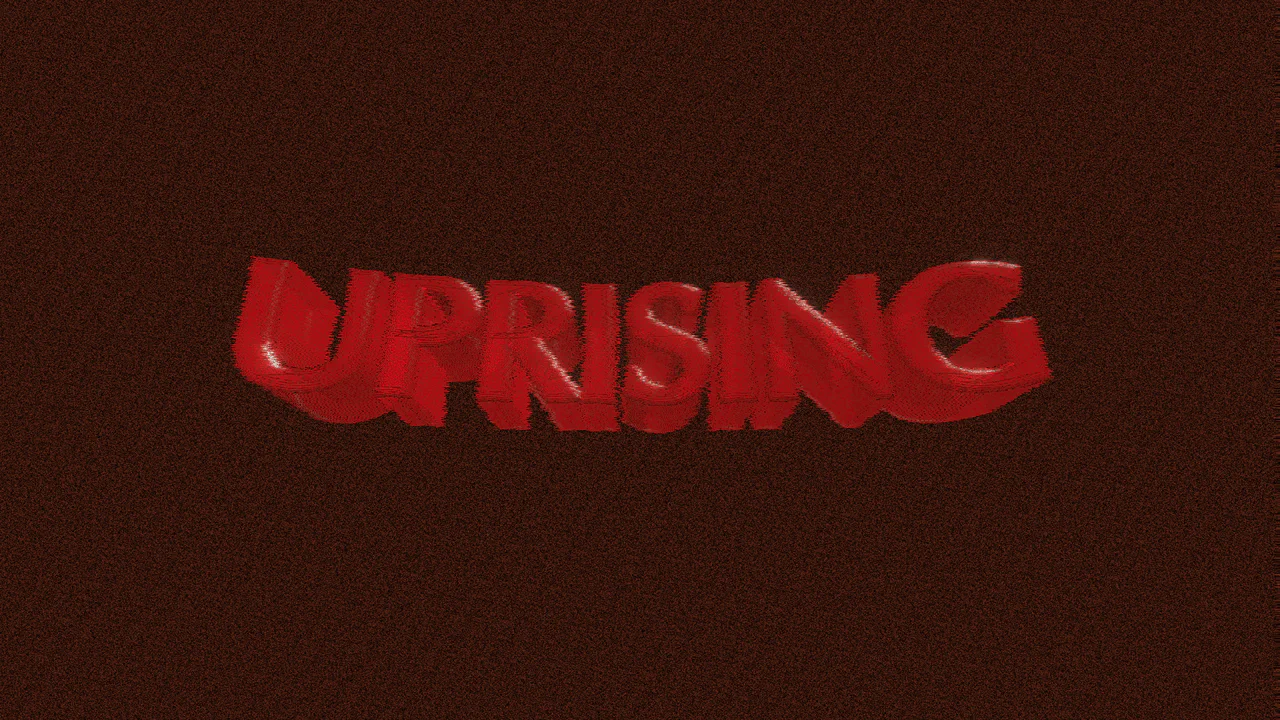
Three.js TextGeometry
This Three.js demo showcases procedural 3D text deformation combined with a sophisticated post-processing pipeline. It layers an UnrealBloomPass with custom GLSL shaders for dynamic rust and glitch effects, all tweakable in real-time via dat.GUI.
See the Pen Three.js TextGeometry.
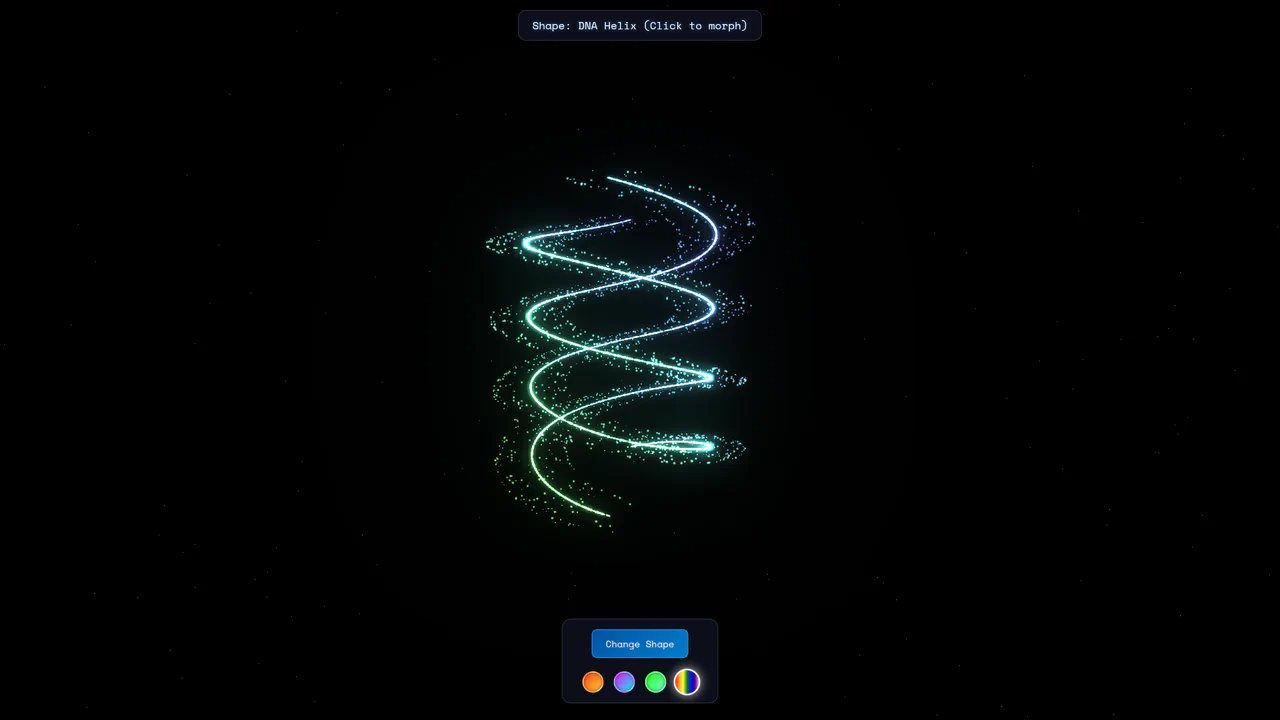
Three.js Particle Morphing Animation
Powered by Three.js and Anime.js, this demo showcases complex particle morphing between six different shapes with smooth, procedurally generated transitions and customizable color schemes.
See the Pen Three.js Particle Morphing Animation.
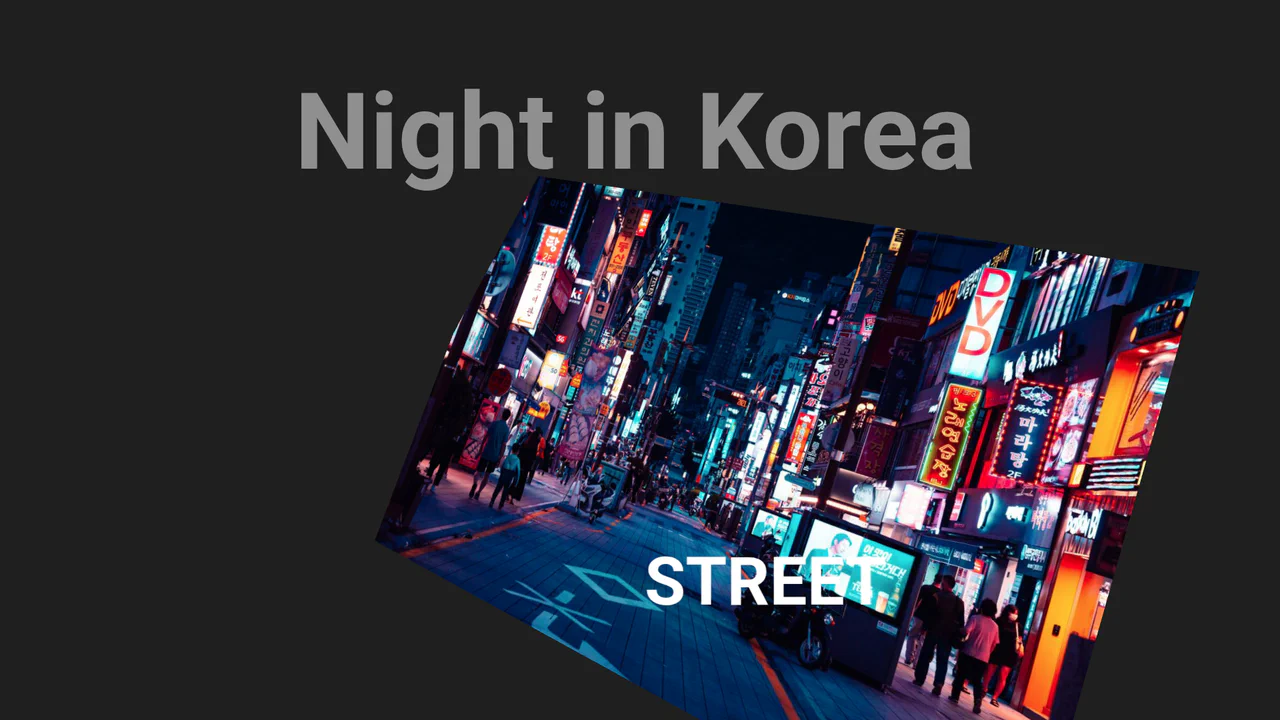
Wave and RGB Image Distortion with Shaders
See how vertex and fragment shaders in Three.js are used to create a “living image” effect that reacts to scrolling. The technical focus is on the deformation (uOffset) and RGB shift (uRGBShift) controlled via GSAP.
See the Pen Wave and RGB Image Distortion with Shaders.

Liquid Glass Shader
This demo is a powerful example of using WebGL for image processing directly on the GPU with shaders, which allows for impressive effects like a lens and light flares with high performance.
See the Pen Liquid Glass Shader.
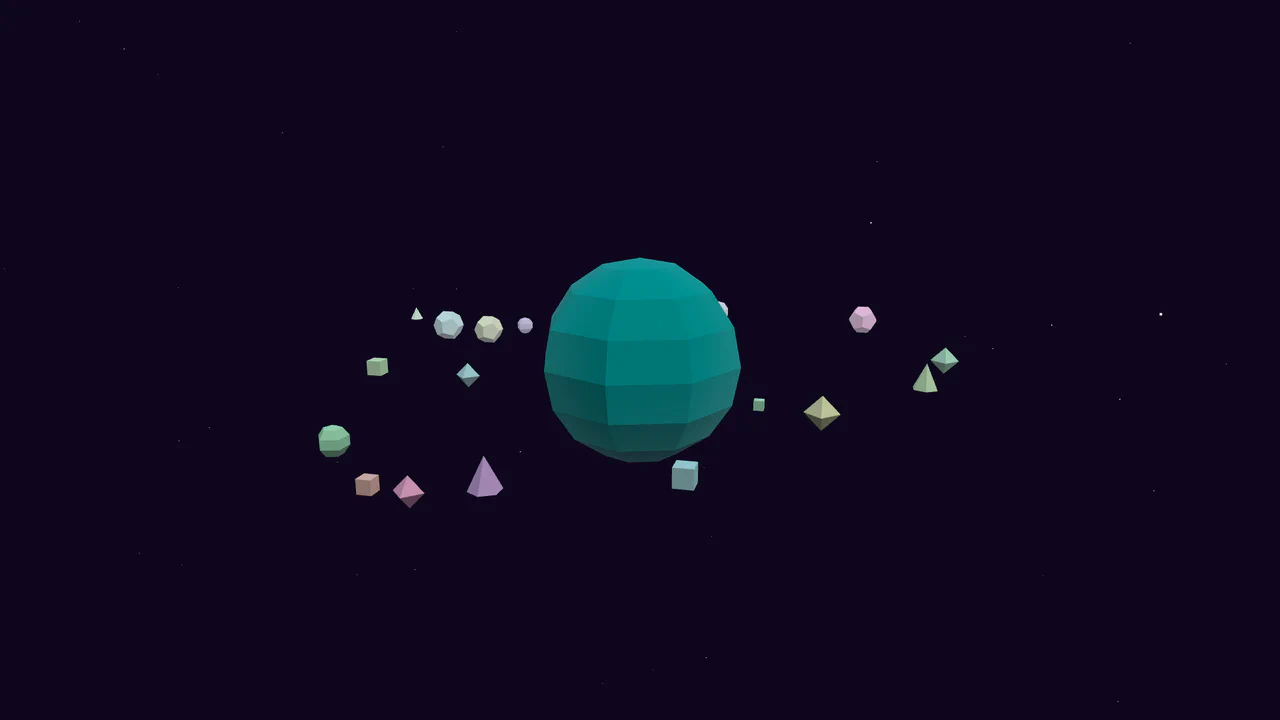
3D Planet: An Interactive Three.js Scene
A lively demo showcasing the power of Three.js in creating interactive 3D scenes. Key features include raycasting for mouse tracking, GSAP camera animations, and a dynamic UI with CSS filters.
See the Pen 3D Planet: An Interactive Three.js Scene.
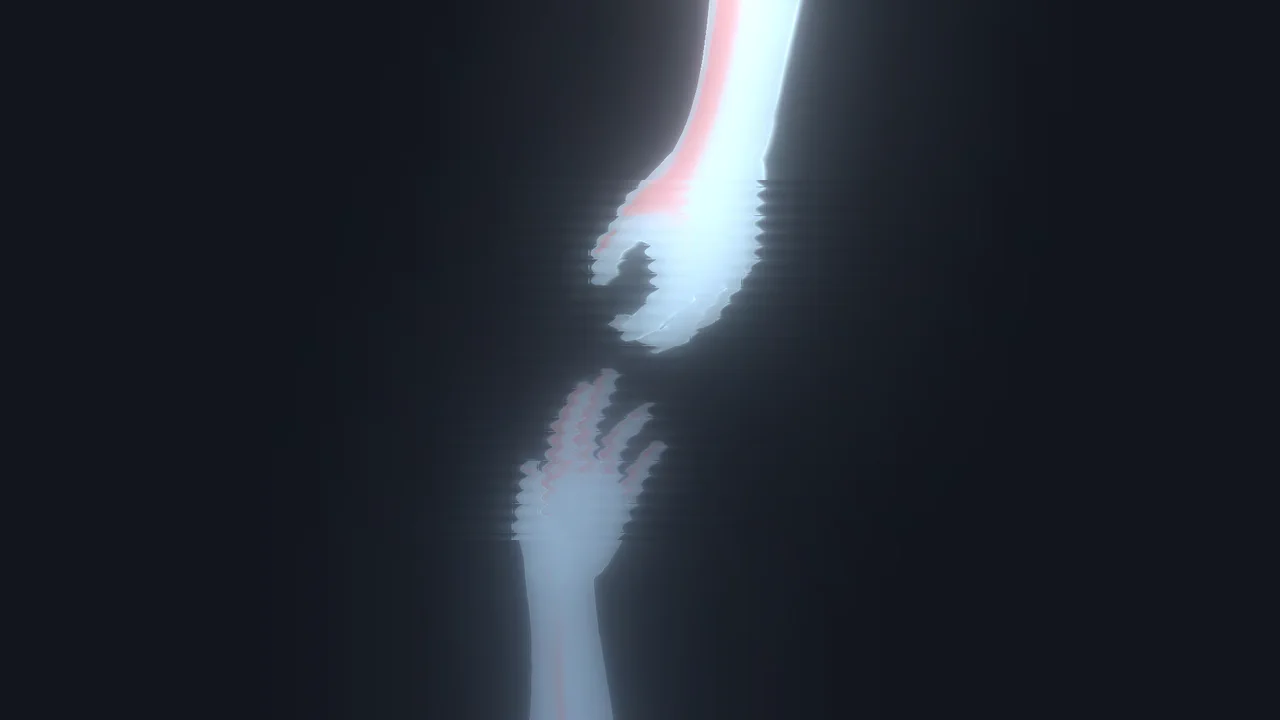
Three.js Fractal Glass Distortion
This 3D demo showcases advanced Three.js capabilities, using a custom displacement map shader to create a unique distortion effect. It’s technically notable for its seamless transition of camera control from user interaction back to an automated, scripted path.
See the Pen Three.js Fractal Glass Distortion.
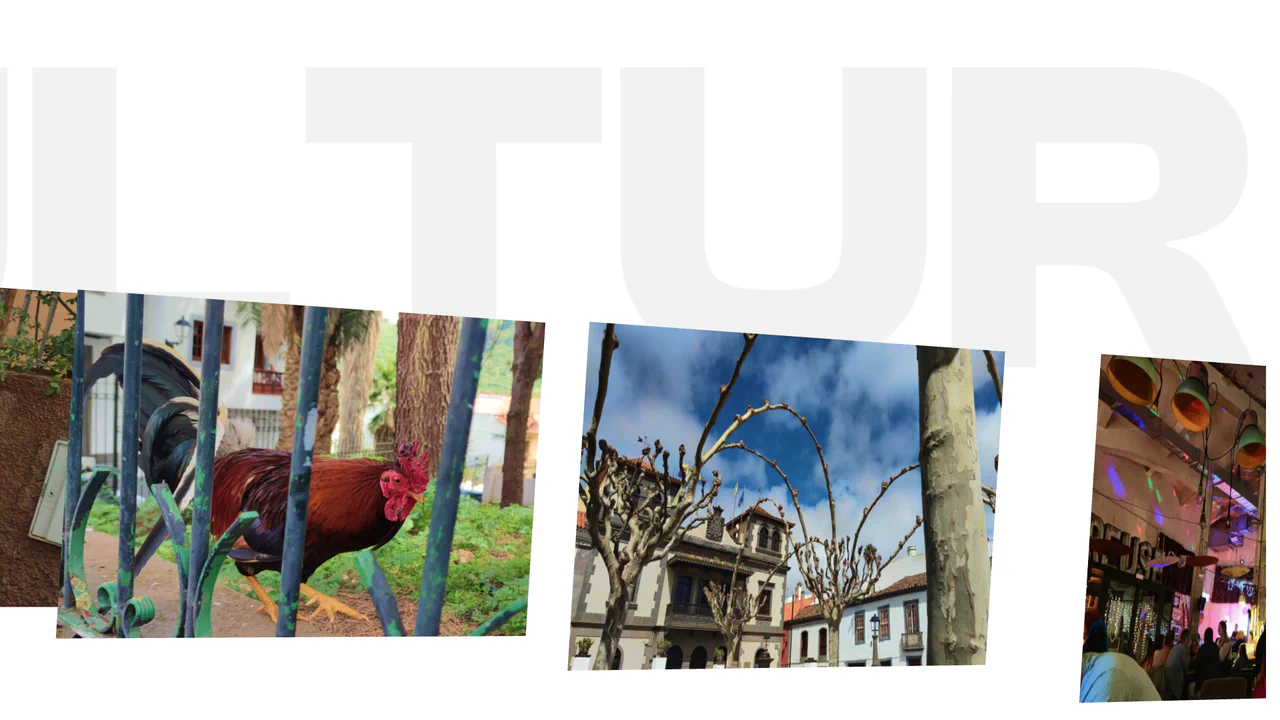
Three.js Carousel with Shader Distortion
This demo is a showcase of cool animation with WebGL and Three.js, where smooth scrolling via Lenis combines with interesting visual effects like RGB shift and image deformation.
See the Pen Three.js Carousel with Shader Distortion.
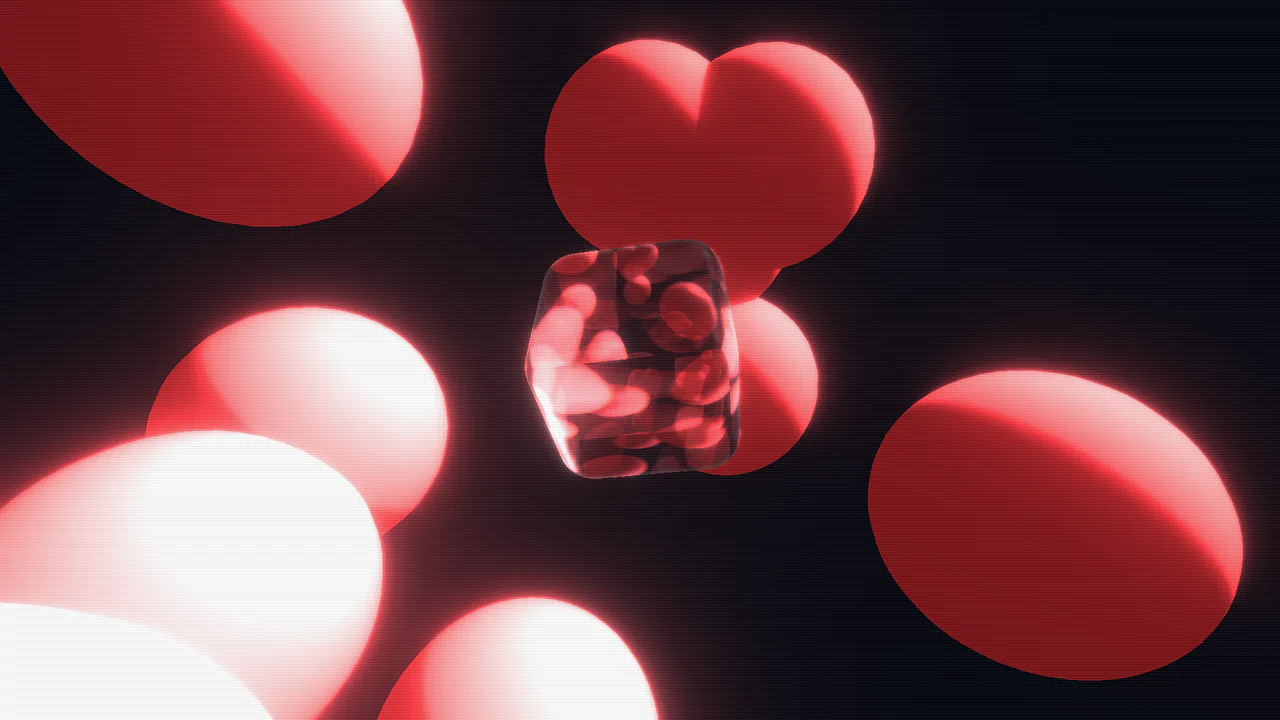
Three.js Glass Effect with ShaderMaterial
A detailed Three.js shader glass effect with complex refraction, dispersion, and reflection, enhanced by post-processing and controllable via a real-time GUI.
See the Pen Three.js Glass Effect with ShaderMaterial.
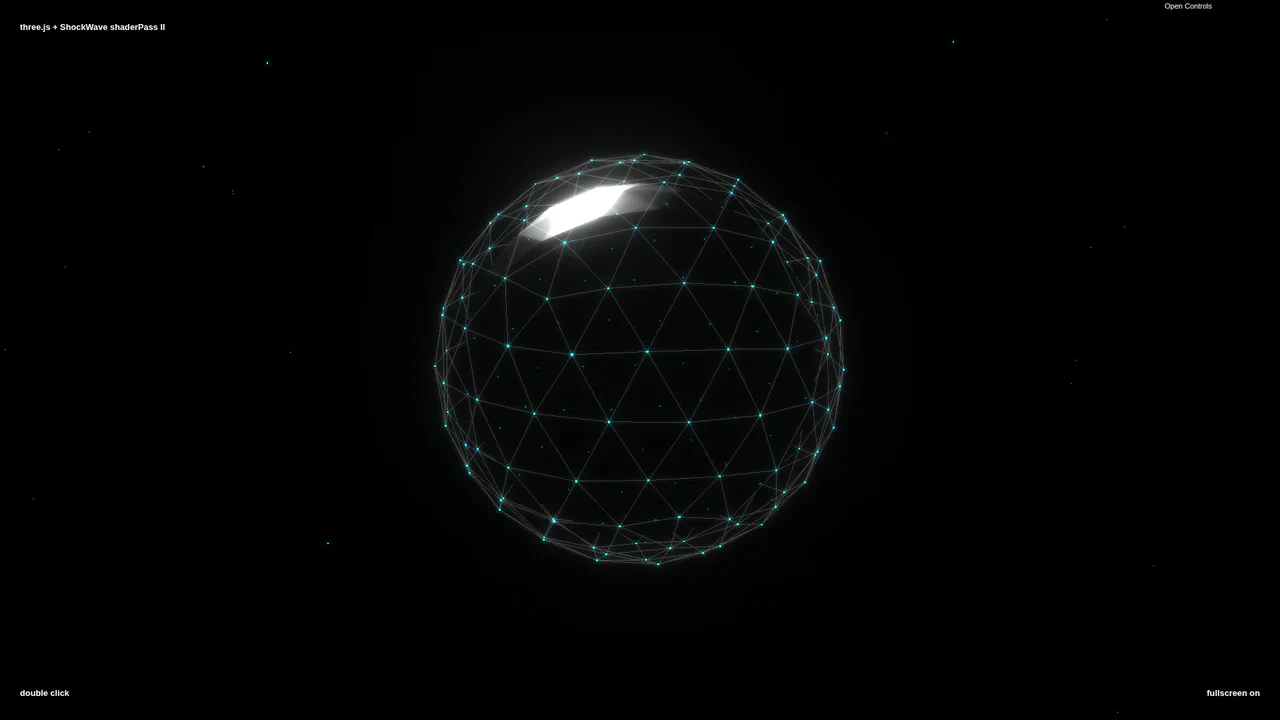
Three.js with ShockWave Shader Effect
A powerful Three.js demo focused on post-processing effects, utilizing EffectComposer to chain a standard RenderPass with a custom ShockWave/Ripple ShaderPass and an UnrealBloomPass for stunning visuals.
See the Pen Three.js with ShockWave Shader Effect.

Lighting Cubes Grid
This demo uses the ANGLE_instanced_arrays extension to efficiently animate a volumetric grid of cubes. See how a single regl command can handle complex transformations and lighting for every instance.
See the Pen Lighting Cubes Grid.

Metaballs Hero Section with Three.js
Interactive metaballs brought to life by a custom THREE.js shader, they react to cursor movement and offer a range of presets, making the demo truly responsive and performant.
See the Pen Metaballs Hero Section with Three.js.